
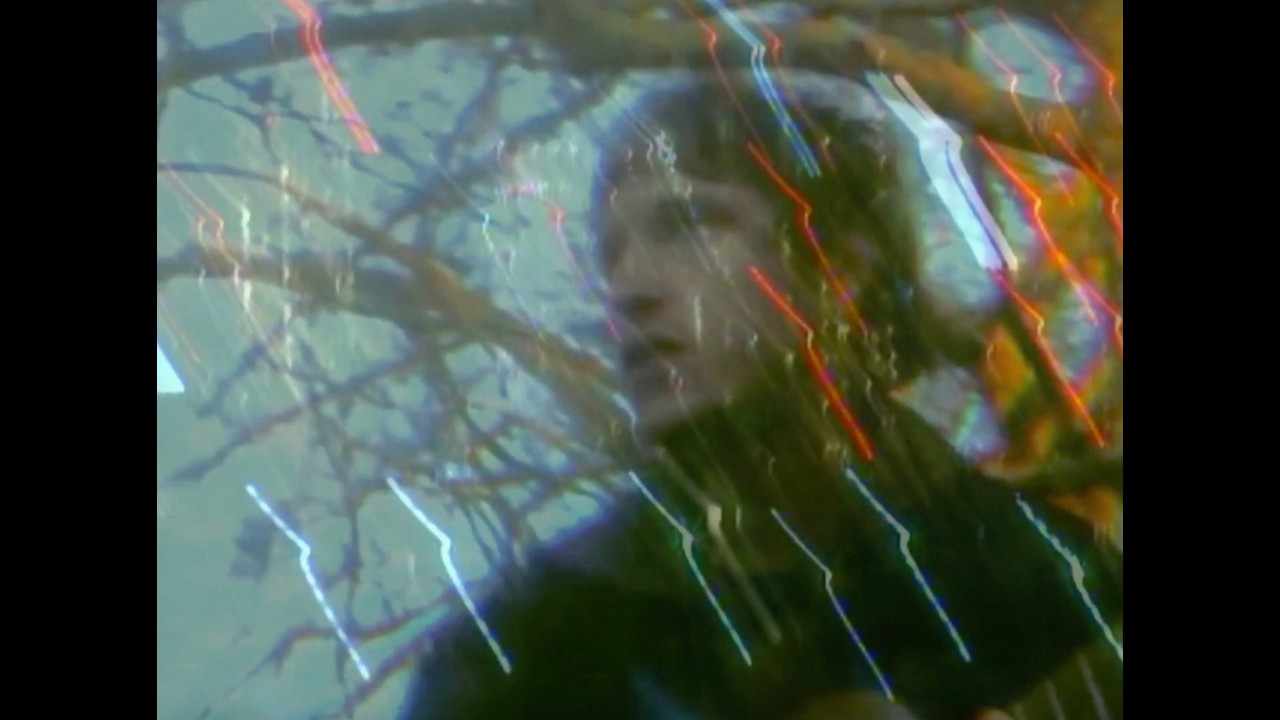


Festivals: Silent City Driver (2024) by Janchivdorj Sengedorj: Mongolian Redemption Noir
- dailyentertainment95

- Dec 12, 2025
- 16 min read
Summary of Movie: Ex-Convict Seeks Grace Through Stray Dogs and Death
A haunting Mongolian drama following Myagmar, a brain-damaged ex-convict emerging from 14-year manslaughter sentence, who finds tentative redemption as hearse driver befriending stray dogs, Buddhist monk Sodoo, and coffin maker's daughter Saruul in atmospheric Ulaanbaatar noir examining forgiveness and atonement.
Catchy Concept: Brain-damaged ex-prisoner drives hearses through shadowy Mongolian capital, seeking salvation through stray dogs, spiritual guidance, and fragile human connections in meditative Buddhist noir
Content Overview: Janchivdorj Sengedorj's contemplative character study follows isolated Myagmar (Tuvshinbayar Amartuvshin) navigating post-prison existence with stutter and trauma, finding companions in rescued dogs, gentle monk, and tragic woman while confronting past through Ulaanbaatar's atmospheric streets
Movie Trend: Part of "slow cinema redemption" examining marginalized figures' spiritual journeys, following directors like Kaurismäki and Diao exploring working-class struggles through meditative pacing and visual poetry
Social Trend: Reflects growing international interest in Mongolian cinema and Buddhist philosophical frameworks, examining incarceration's lasting psychological damage while exploring forgiveness through Eastern spiritual traditions versus Western revenge narratives
Director Information: Janchivdorj Sengedorj, acclaimed Mongolian filmmaker, continues examining social margins through contemplative style, co-writing with Nomuunzul Turmunkh while creating atmospheric visual storytelling prioritizing mood over conventional plot
Awards and Nominations: 1 win & 3 nominations; Mongolia's 2026 Oscar submission for Best International Feature; IMDb 7.2 from 76 users; minimal 4 critic reviews but passionate advocacy suggests festival-circuit art-house positioning
Industry Insight: Mongolian cinema gains international recognition through festival circuits; directors like Sengedorj establishing distinctive national voice examining universal themes through culturally specific Buddhist and nomadic perspectives.
Insight for Filmmakers: Slow cinema's meditative pacing requires confident vision; trusting atmospheric storytelling and philosophical depth over conventional narrative momentum creates distinctive works appealing to patient art-house audiences.
Insight for Consumers: Understanding slow cinema aesthetics helps calibrate expectations; films prioritizing mood, philosophy, and visual poetry over plot progression reward contemplative viewing requiring patience and interpretive engagement.
Why It Is Trending: Oscar Submission, Distinctive Voice
The film generates attention as Mongolia's 2026 Oscar submission representing emerging national cinema, with Sengedorj's distinctive atmospheric noir style and Buddhist philosophical framework offering fresh perspective on redemption narratives through rarely portrayed Mongolian urban context.
Oscar International Feature Submission: Mongolia's official 2026 entry provides visibility platform elevating regional cinema to international consideration, with Oscar eligibility creating press attention and festival interest beyond typical Mongolian film exposure
Distinctive National Cinema: Mongolian urban noir examining ex-convict redemption through Buddhist philosophy offers fresh cultural perspective, with Ulaanbaatar setting and spiritual frameworks providing alternatives to Western-dominated redemption narrative templates
Sengedorj's Established Reputation: Director's previous Tallinn Black Nights Grand Prix victory establishes credibility attracting cinephiles following acclaimed international filmmakers, with track record suggesting quality execution meriting attention
Slow Cinema Appreciation: Growing art-house audience for contemplative pacing and atmospheric visual storytelling finds Sengedorj's approach rewarding, with comparisons to Kaurismäki and Diao positioning film within respected aesthetic tradition
Industry Insight: Oscar submissions provide crucial international visibility for small national cinemas; Mongolia's official selection creates marketing hook converting regional production into globally aware entity attracting festival programmers and distributors.
Insight for Filmmakers: National cinema identity creates differentiation; leaning into distinctive cultural perspectives (Mongolian Buddhism, Ulaanbaatar atmosphere) makes films feel essential rather than derivative when regional specificity becomes artistic strength.
Insight for Consumers: Following Oscar International Feature submissions discovers world cinema gems; national selections represent countries' best offerings providing curated entry points into unfamiliar regional filmmaking traditions.
Why to Watch This Movie: Atmospheric Masterwork, Spiritual Depth
Despite minimal exposure, passionate critical advocacy praises "gorgeous ride" with "grit," "deadpan empathy," and "meditative closure" creating distinctive Mongolian noir blending Travis Bickle isolation with Buddhist philosophy through Ulaanbaatar's haunting nocturnal landscapes.
Stunning Visual Atmosphere: Cinematographer Enkhbayar Enkhtur creates "half-dream, half-nightmare" Ulaanbaatar feeling like "late-night drive," with nocturnal city landscapes establishing distinctive visual identity through atmospheric noir cinematography
Philosophical Depth: Buddhist conversations between Myagmar and monk Sodoo exploring "revenge, forgiveness, and atonement" provide spiritual examination, with philosophical discussions creating contemplative depth beyond simple redemption narrative
Compelling Central Performance: Tuvshinbayar Amartuvshin as brain-damaged stuttering Myagmar creates "haunting" portrayal of "specter in his own life," with vulnerable performance anchoring meditative pacing through authentic psychological complexity
Distinctive Cultural Context: Mongolian urban setting with Buddhist framework, stray dog companions, and hearse driver occupation creates fresh redemption narrative context, with cultural specificity making familiar themes feel renewed through distinctive perspective
Industry Insight: Passionate critical advocacy from small samples often signals genuine quality; enthusiastic detailed reviews from engaged viewers suggest rewarding experiences for compatible art-house audiences seeking contemplative cinema.
Insight for Filmmakers: Atmospheric visual storytelling compensates for minimal plot; trusting cinematography and mood creating immersive experiences demonstrates understanding that cinema communicates through images as powerfully as narrative.
Insight for Consumers: Films requiring contemplative engagement reward patient viewing; understanding slow cinema's aesthetic priorities helps identifying whether meditative pacing and philosophical depth align with personal viewing preferences.
Where to watch (industry professionals: https://pro.festivalscope.com/film/silent-city-driver
Link IMDB: https://www.imdb.com/title/tt35890709/
About movie: https://filmfreeway.com/SilentCityDriver
What Trend Is Followed: Slow Cinema Redemption
The film exemplifies meditative redemption narratives examining marginalized figures' spiritual journeys through slow pacing, atmospheric visuals, and philosophical depth, following directors like Kaurismäki, Diao, and Tarr exploring working-class struggles through contemplative aesthetic.
Slow Cinema Movement: Films prioritizing atmosphere, long takes, and contemplative pacing over conventional narrative momentum, with directors trusting visual storytelling and meditative rhythm creating immersive experiences for patient engaged viewers
Working-Class Margins: Stories examining society's forgotten figures (ex-convicts, drivers, isolated workers) through empathetic observation, revealing dignity and complexity in lives mainstream cinema typically ignores or stereotypes
Buddhist Philosophical Framework: Eastern spiritual examination of forgiveness, atonement, and redemption contrasting Western revenge narratives, with Buddhist concepts providing alternative frameworks for processing trauma and seeking grace
Urban Noir Atmospherics: City-as-character approach with nocturnal landscapes creating psychological reflection, using atmospheric cinematography making urban environments mirror protagonists' internal states through visual poetry
Industry Insight: Slow cinema finds dedicated international audiences; though commercially limited, contemplative aesthetic attracts passionate cinephile following sustaining festival circuits and art-house venues when execution demonstrates artistic vision.
Insight for Filmmakers: Matching pacing to thematic content creates coherent visions; meditative redemption stories benefit from slow contemplative rhythms allowing philosophical depth and atmospheric immersion conventional pacing would undermine.
Insight for Consumers: Understanding slow cinema aesthetics prevents frustration; recognizing films prioritize mood and philosophy over plot helps viewers approach contemplative works with appropriate expectations enabling appreciation versus impatience.
Movie Plot: Hearse Driver Seeks Redemption Through Compassion
The narrative follows brain-damaged ex-convict Myagmar's post-prison isolation, finding tentative human connection through hearse driving job introducing Buddhist monk Sodoo and tragic Saruul, while caring for stray dogs and confronting past trauma haunting present existence.
Prison Aftermath Foundation: Myagmar emerges from 14-year manslaughter sentence with stutter and brain damage, living in "grim shack" sleeping in "cardboard box punched with air holes" suggesting psychological imprisonment continuing beyond physical release
Stray Dog Companionship: Adopting pack of stray dogs demonstrates "quiet compassion" as first step toward human reconnection, with animal care providing safe emotional outlet when human relationships feel threatening or impossible
Buddhist Monk Guidance: Young monk Sodoo offering sandwiches and philosophical conversations about "revenge, forgiveness, and atonement" provides spiritual framework for processing trauma, with Buddhist perspective offering alternative to destructive rumination
Romantic Fixation: Coffin maker's daughter Saruul "lights candles in his gloom" but relationship feels "undercooked" as Myagmar projects salvation onto "someone too broken to deliver," with romantic subplot examining lonely people's tendency idealizing others as rescue fantasies
Implied Movie Trend: Character-driven dramas examining how isolated figures tentatively rebuild human connections, exploring redemption as gradual process requiring spiritual growth rather than dramatic transformation or external validation.
Industry Insight: Contemplative character studies benefit from extended runtimes; 2h 18m allows gradual relationship development and atmospheric immersion when conventional pacing would feel rushed for meditative philosophical examination.
Insight for Filmmakers: Understated romantic subplots create realism; "undercooked" relationship dynamics reflect authentic awkwardness of damaged people attempting intimacy rather than Hollywood wish-fulfillment romances resolving trauma through love.
Insight for Consumers: Slow-burn character studies require patience; understanding films explore psychological states and gradual shifts rather than dramatic plot developments helps viewers appreciate subtle transformations over time.
Director's Vision: Atmospheric Mongolian Noir
Janchivdorj Sengedorj crafts distinctive Mongolian urban noir blending Kaurismäki's deadpan empathy with Yi'nan Diao's grit through Ulaanbaatar's atmospheric nocturnal landscapes, using Buddhist philosophy and slow cinema aesthetics examining redemption as spiritual journey rather than narrative resolution.
Comparative Aesthetic Positioning: Film possesses "grit of Yi'nan Diao, deadpan empathy of Aki Kaurismäki, and pinch of Mengqiao Li" while "carving its own path," establishing Sengedorj within respected slow cinema tradition while maintaining distinctive Mongolian identity
Visual Metaphor System: Opening camel replacing Myagmar at bus stop creates "slick metaphor that keeps resurfacing," with symbolic visual language trusting audiences interpreting meaning through repeated imagery rather than verbal explanation
Atmospheric Cinematography: Enkhbayar Enkhtur's nocturnal Ulaanbaatar photography creates city feeling like "half-dream, half-nightmare," with cinematography establishing mood and psychological reflection through visual atmosphere prioritized over conventional clarity
Buddhist Philosophical Framework: Conversations between Myagmar and Sodoo exploring Eastern spiritual concepts provide thematic foundation, with Buddhist perspectives on forgiveness and atonement creating alternative framework to Western revenge-focused redemption narratives
Industry Insight: Directors establishing distinctive national cinema voices attract international attention; Sengedorj's Mongolian perspective within slow cinema tradition creates fresh approach to universal themes through culturally specific frameworks.
Insight for Filmmakers: Visual metaphor systems reward attentive viewing; recurring symbolic imagery creates thematic coherence while trusting audiences' interpretive capabilities when meaning emerges through accumulation rather than explicit statement.
Insight for Consumers: Understanding director influences helps appreciation; recognizing Kaurismäki and Diao comparisons provides contextual framework while Mongolian specificity differentiates within established slow cinema aesthetic tradition.
Themes: Atonement, Isolation, Compassion
The film explores interconnected themes of seeking forgiveness for past violence, profound social isolation following incarceration, redemption through compassionate acts toward vulnerable beings, and Buddhist spiritual frameworks providing alternatives to revenge-focused justice.
Atonement Through Compassion: Examines how caring for stray dogs and accepting spiritual guidance represents redemption path, with small compassionate acts toward vulnerable beings creating moral framework when grand gestures impossible or inappropriate
Post-Incarceration Isolation: Investigates how prison creates lasting social death beyond sentence completion, with brain damage and stutter symbolizing psychological scars preventing reintegration when society marks former prisoners as permanently other
Buddhist Forgiveness Philosophy: Explores Eastern spiritual approach to trauma processing emphasizing internal transformation over external revenge, with monk's teachings providing framework for self-forgiveness when seeking others' absolution proves impossible
Urban Alienation: Addresses modern city life's profound loneliness as Myagmar becomes "specter in his own life," examining how urban environments paradoxically create isolation through crowding when meaningful human connection proves elusive
Industry Insight: Buddhist philosophical frameworks offer fresh perspectives for international audiences; Eastern spiritual concepts provide alternatives to Western redemption narrative templates when cultural specificity creates distinctive thematic approaches.
Insight for Filmmakers: Exploring spiritual concepts through character relationships makes philosophy accessible; abstract Buddhist ideas about forgiveness become concrete through Myagmar and Sodoo's conversations rather than didactic exposition.
Insight for Consumers: Films examining Eastern spiritual traditions require openness to unfamiliar frameworks; Buddhist concepts about atonement may feel foreign but provide valuable alternative perspectives on processing trauma and seeking redemption.
Key Success Factors: Atmosphere Over Narrative
The film succeeds through stunning nocturnal cinematography, committed central performance, and Buddhist philosophical depth creating distinctive Mongolian noir, though 2h 18m runtime, minimal plot, and contemplative pacing limit appeal beyond dedicated slow cinema enthusiasts.
Atmospheric Visual Excellence: Enkhbayar Enkhtur's cinematography creates "gorgeous" nocturnal Ulaanbaatar with "late-night drive" atmosphere, establishing distinctive visual identity through moody urban landscapes making city essential character
Amartuvshin's Vulnerable Performance: Tuvshinbayar Amartuvshin creates "haunting" portrayal of brain-damaged stuttering Myagmar as "specter in his own life," with committed vulnerable work anchoring contemplative material requiring authentic psychological complexity
Philosophical Spiritual Depth: Buddhist conversations exploring forgiveness and atonement provide contemplative substance, with spiritual framework creating thematic depth transcending simple redemption narrative when Eastern philosophy offers fresh perspective
Challenging Accessibility: 2h 18m runtime, minimal conventional plot, slow meditative pacing, and Mongolian language create barriers for mainstream audiences, with film rewarding patient art-house viewers while alienating those expecting conventional narrative momentum
Industry Insight: Slow cinema's commercial limitations don't prevent artistic success; films prioritizing atmosphere and philosophy over accessibility find passionate advocates sustaining festival circuits despite mainstream rejection.
Insight for Filmmakers: Confident pacing choices demonstrate artistic vision; trusting contemplative rhythms and extended runtime for gradual character development shows understanding that some stories require patience for thematic depth.
Insight for Consumers: IMDb 7.2 from 76 users suggests satisfied art-house audience; small but enthusiastic sample indicates rewarding experience for compatible viewers seeking contemplative philosophical cinema.
Awards and Nominations: Oscar Submission Recognition
The film achieved 1 win & 3 nominations with prestigious Mongolia's 2026 Oscar submission for Best International Feature, validating Sengedorj's distinctive vision through official national recognition despite minimal critical coverage and limited international exposure.
The film's achievements include single victory and 3 nominations with crucial Mongolia's official 2026 Oscar submission providing international visibility platform. As Best International Feature entry, film represents Mongolia's best offering attracting Academy attention and festival programmers seeking eligible content. Director Sengedorj's previous Tallinn Black Nights Grand Prix victory establishes credibility suggesting consistent quality execution. Minimal 4 critic reviews prevents substantial critical consensus assessment, though available passionate advocacy from engaged reviewers indicates strong execution for compatible audiences. IMDb 7.2 from 76 users represents small but satisfied sample suggesting quality art-house cinema finding appropriate niche audience. Oscar submission status enables marketing hook converting regional Mongolian production into internationally aware entity when national selection provides legitimacy beyond typical limited release positioning.
Industry Insight: Oscar submissions provide essential visibility for small national cinemas; official selection creates press angles and festival interest impossible for typical regional productions when international recognition mechanisms limited.
Insight for Filmmakers: National cinema representation builds careers; Sengedorj's consistent festival success and Oscar submission establish international reputation enabling continued financing and visibility for challenging art-house projects.
Insight for Consumers: Following Oscar International Feature submissions discovers distinctive voices; national selections provide curated discovery opportunities into unfamiliar regional traditions when countries present best offerings.
Critics Reception: Specialist Coverage
Mongolia's 2026 Oscar submission status and festival recognition suggest quality execution appealing to specialized international programmers appreciating slow contemplative cinema.
Variety - Oscar Submission Coverage: As major trade publication tracking International Feature race, likely covered Mongolia's official selection examining Sengedorj's atmospheric noir within competitive Oscar landscape, analyzing slow cinema aesthetics' viability for Academy consideration
Screen International - Festival Circuit Recognition: Probably highlighted Sengedorj's Tallinn Black Nights pedigree and atmospheric Ulaanbaatar cinematography, examining how Mongolian director establishes distinctive voice within slow cinema tradition through Buddhist philosophical frameworks
IndieWire - Art-House Positioning: Likely analyzed film's Kaurismäki and Diao Yi'nan comparisons, examining how contemplative pacing and marginalized character focus positions Sengedorj within respected international slow cinema movement despite limited commercial prospects
Film Comment - Cultural Context: Possibly provided deeper analysis of Buddhist redemption philosophy and Mongolian urban noir specificity, exploring how Eastern spiritual frameworks offer alternatives to Western incarceration narratives within emerging national cinema context
Industry Insight: Regional cinema from small nations struggles attracting substantial critical coverage; even Oscar submissions receive minimal professional attention when Mongolian productions lack visibility mechanisms generating press engagement beyond specialist outlets.
Insight for Filmmakers: Festival recognition and Oscar submissions provide crucial credibility despite limited reviews; institutional validation matters more than review quantity when regional productions can't generate broad critical engagement.
Insight for Consumers: Absence of accessible professional reviews reflects distribution realities; understanding Mongolian cinema's limited critical infrastructure helps managing expectations when quality films remain under-reviewed despite artistic merit.
What Movie Trend Film Is Following: Slow Cinema Margins
The film exemplifies slow cinema examining society's forgotten figures through contemplative pacing, atmospheric visuals, and philosophical depth, following international tradition of directors using meditative aesthetics exploring working-class struggles and spiritual redemption through patient observation.
Slow Cinema Aesthetic: Films prioritizing atmosphere, extended takes, and contemplative rhythm over conventional narrative momentum, trusting visual storytelling and meditative pacing creating immersive experiences for engaged patient viewers
Marginalized Character Focus: Stories centering society's forgotten (ex-convicts, isolated workers, urban invisible) through empathetic observation, revealing complexity and dignity in lives mainstream cinema overlooks or reduces to stereotypes
Buddhist Redemption Framework: Eastern spiritual examination of forgiveness and atonement offering alternatives to Western revenge narratives, with Buddhist philosophy providing distinctive cultural perspective on processing trauma and seeking grace
Urban Noir Atmospherics: City-as-character approach using nocturnal landscapes reflecting psychological states, with atmospheric cinematography making urban environments mirror protagonists' internal conditions through visual mood prioritization
Industry Insight: Slow cinema maintains international festival presence; though commercially limited, contemplative aesthetic sustains dedicated audience through art-house venues when directors demonstrate confident artistic vision.
Insight for Filmmakers: Regional cinema traditions within global movements create distinctiveness; Mongolian perspective within slow cinema aesthetic differentiates while maintaining connection to respected international art-house tradition.
Insight for Consumers: Understanding slow cinema conventions helps identification; recognizing aesthetic priorities (atmosphere over plot, meditation over momentum) enables self-assessment about compatibility before committing viewing time.
What Big Social Trend Is Following: Incarceration's Lasting Damage
The film examines mass incarceration's psychological toll through brain-damaged protagonist's post-prison isolation, reflecting growing awareness about criminal justice system's failure addressing rehabilitation when punishment creates lasting trauma preventing social reintegration beyond sentence completion.
Post-Incarceration Struggles: Addresses how prison creates social death extending beyond physical confinement, with Myagmar's brain damage and isolation examining systemic failure providing reintegration support when released prisoners remain permanently marked
Restorative Justice Interest: Buddhist forgiveness philosophy reflects growing movement toward restorative approaches emphasizing healing over punishment, examining how compassion-based frameworks might address trauma when revenge-focused systems perpetuate cycles
Mental Health Recognition: Explores incarceration's psychological damage through brain damage and PTSD manifestations, contributing to conversations about criminal justice system's mental health impacts when punishment exacerbates rather than addresses underlying issues
Urban Alienation Crisis: Examines modern city life's profound loneliness as isolated individuals struggle meaningful connection, reflecting widespread concerns about social fabric deterioration when urban density paradoxically increases isolation
Industry Insight: Films examining criminal justice through humanizing lens find audiences during reform conversations; growing awareness about incarceration's societal costs creates receptivity for stories validating prisoners' humanity beyond crimes.
Insight for Filmmakers: Buddhist frameworks provide fresh perspectives on Western-dominated justice narratives; Eastern spiritual concepts about forgiveness offer alternative philosophical approaches when cultural diversity enriches thematic exploration.
Insight for Consumers: Understanding films' social context enriches appreciation; recognizing incarceration themes' contemporary relevance helps connecting Mongolian-specific story to broader international conversations about criminal justice reform.
What Consumer Trend Is Following: World Cinema Discovery
The film serves cinephiles seeking distinctive international voices through festival circuits and Oscar submissions, reflecting audience appetite for culturally specific perspectives when Mongolian urban noir offers fresh approach to universal redemption themes beyond Western-dominated templates.
Oscar Submission Following: Dedicated audiences tracking International Feature entries discovering regional cinema, with official selections providing curated pathways into unfamiliar national traditions when countries present best offerings
Slow Cinema Appreciation: Growing niche following contemplative pacing and atmospheric storytelling, with viewers valuing meditative rhythm and philosophical depth when patient engagement rewards through immersive experiences conventional pacing undermines
Buddhist Philosophy Interest: Increasing Western curiosity about Eastern spiritual frameworks, with audiences seeking alternative perspectives on trauma and redemption when Buddhist concepts provide fresh approaches to familiar existential questions
Authentic Cultural Specificity: Viewers seeking genuine regional perspectives over homogenized international productions, valuing Mongolian urban context and spiritual traditions offering distinctive frameworks when cultural authenticity becomes artistic strength
Industry Insight: Dedicated world cinema audiences sustain challenging international productions; though commercially limited, passionate cinephiles provide viable markets for regional films when festival circuits and specialty distributors enable access.
Insight for Filmmakers: Leaning into cultural specificity creates marketing differentiation; emphasizing distinctive Mongolian perspectives makes films feel essential rather than derivative when regional authenticity becomes unique selling proposition.
Insight for Consumers: Following Oscar submissions and festival winners provides quality discovery mechanism; institutional validation helps navigating vast world cinema landscape when official selections indicate national cinema excellence.
Final Verdict: Atmospheric Mongolian Masterwork for Patient Viewers
"Silent City Driver" delivers haunting atmospheric noir through stunning Ulaanbaatar cinematography, vulnerable central performance, and Buddhist philosophical depth, creating distinctive Mongolian redemption narrative rewarding patient art-house audiences seeking contemplative spiritual cinema despite 2h 18m challenging accessibility.
Visual Atmospheric Excellence: Enkhbayar Enkhtur's "gorgeous" nocturnal cinematography creates Ulaanbaatar as "half-dream, half-nightmare," establishing distinctive visual identity through moody urban landscapes making city essential atmospheric character
Philosophical Spiritual Depth: Buddhist conversations between Myagmar and monk exploring "revenge, forgiveness, and atonement" provide contemplative substance transcending simple redemption, with Eastern spiritual framework offering fresh perspective on processing trauma
Committed Vulnerable Performance: Tuvshinbayar Amartuvshin's "haunting" portrayal of brain-damaged stuttering Myagmar creates authentic psychological complexity, with vulnerable committed work anchoring meditative material through genuine emotional resonance
Demanding Accessibility: 2h 18m contemplative pacing, minimal conventional plot, Mongolian language, and slow cinema aesthetic create barriers for mainstream audiences, rewarding patient art-house viewers while alienating those expecting narrative momentum
Industry Insight: Mongolian cinema gains international recognition through distinctive voices; Sengedorj's atmospheric noir demonstrates how regional perspectives within slow cinema tradition create essential rather than derivative works.
Insight for Filmmakers: Confident extended runtime and contemplative pacing demonstrate artistic vision; trusting slow rhythms for gradual character development and philosophical depth shows understanding some stories require patience for thematic resonance.
Insight for Consumers: IMDb 7.2 from 76 users and passionate critical advocacy suggest rewarding experience for compatible viewers; understanding slow cinema aesthetics and Buddhist philosophy helps assessing personal compatibility before committing time.
Key Trend Highlighted: Mongolian Cinema's International Voice
"Silent City Driver" exemplifies Mongolia's emerging international cinema establishing distinctive national identity through Buddhist philosophical frameworks and atmospheric urban noir, with Sengedorj's Oscar submission and Tallinn Grand Prix pedigree demonstrating how regional filmmakers create essential perspectives on universal redemption themes when cultural specificity becomes artistic strength rather than limitation within respected slow cinema tradition attracting dedicated global art-house audiences.
Key Insight: Atmosphere Communicates as Powerfully as Dialogue
Enkhbayar Enkhtur's nocturnal Ulaanbaatar cinematography creating city as "half-dream, half-nightmare" demonstrates slow cinema's power communicating psychological states through visual mood rather than verbal exposition—atmospheric cinematography, contemplative pacing, and Buddhist philosophical frameworks create immersive redemption narrative where meditative rhythm and symbolic imagery convey emotional truth more effectively than conventional plot momentum, proving patient engaged viewing rewards when directors trust visual storytelling and audiences' interpretive capabilities over accessibility compromises.
Similar Movies: Slow Cinema Redemption and Margin Portraits
These films explore society's forgotten figures through contemplative pacing, atmospheric visuals, and spiritual or philosophical frameworks examining redemption, isolation, and human dignity across various cultural contexts.
Taxi Driver (1976) - Martin Scorsese: Robert De Niro's isolated driver projecting salvation onto woman, establishing urban alienation template with Travis Bickle comparison point for Myagmar's lonely existence
Le Havre (2011) - Aki Kaurismäki: Kaurismäki's deadpan compassion examining working-class man helping refugee, demonstrating Finnish director's empathetic style directly referenced as influence on Sengedorj's approach
Black Coal, Thin Ice (2014) - Diao Yinan: Chinese noir examining disgraced detective in gritty urban landscape, showing Yi'nan Diao's atmospheric crime approach influencing Sengedorj's Mongolian noir aesthetic
A Man Escaped (1956) - Robert Bresson: Minimalist prisoner planning escape through methodical observation, exemplifying contemplative pacing and spiritual undercurrents in incarceration narratives
Spring, Summer, Fall, Winter... and Spring (2003) - Kim Ki-duk: Korean Buddhist monk's life cycle examining spiritual growth, demonstrating how Buddhist philosophy structures contemplative cinema exploring redemption
Ida (2013) - Paweł Pawlikowski: Polish nun discovering family's dark past through atmospheric black-and-white cinematography, showing how visual mood conveys psychological states in slow cinema tradition
Turin Horse (2011) - Béla Tarr: Hungarian master's slow cinema examining farmer and daughter's repetitive existence, demonstrating extreme contemplative aesthetic's hypnotic power
Nomadland (2020) - Chloé Zhao: Frances McDormand's van-dwelling woman finding dignity in margins, showing contemporary American slow cinema examining working-class struggles through observational empathy
Industry Insight: Slow cinema maintains international tradition across cultures; directors from Mongolia to Finland to China use contemplative aesthetics examining universal themes through culturally specific frameworks.
Insight for Filmmakers: Studying slow cinema masters helps understanding aesthetic variations; recognizing how Kaurismäki, Diao, Tarr, and others approach contemplative rhythm provides templates while encouraging distinctive cultural perspectives.
Insight for Consumers: Understanding slow cinema spectrum from accessible (Kaurismäki) to extreme (Tarr) helps self-assessment; recognizing where individual films fall on contemplative intensity spectrum enables appropriate expectation calibration.
Final Insight on Market Positioning: Essential Voice in World Cinema
Janchivdorj Sengedorj's atmospheric Mongolian noir demonstrates how regional cinema establishes international presence through distinctive cultural perspectives, with Mongolia's 2026 Oscar submission and Buddhist philosophical framework creating essential rather than derivative redemption narrative when Ulaanbaatar's nocturnal landscapes and Eastern spiritual traditions offer fresh approaches to universal themes within respected slow cinema tradition attracting dedicated global art-house audiences.
For Filmmakers: Cultural Specificity Creates Global Appeal
Sengedorj's confident Mongolian identity within slow cinema aesthetic demonstrates how regional filmmakers succeed internationally through distinctive perspectives—Buddhist forgiveness philosophy, Ulaanbaatar atmospheric cinematography, and stray dog companionship create culturally specific framework for universal redemption themes when 2h 18m contemplative pacing and Eastern spiritual depth differentiate from Western templates, proving Tallinn Grand Prix pedigree and Oscar submission validate artistic vision prioritizing authentic national voice over homogenized international accessibility.
For Consumers: Patient Viewing Rewards with Distinctive Experience
IMDb 7.2 from 76 engaged users and passionate 8/10 detailed review praising "gorgeous ride" with Buddhist philosophy and atmospheric noir suggest rewarding experience for slow cinema enthusiasts—understanding 2h 18m meditative pacing, Mongolian language, and contemplative aesthetic requires patient engaged viewing when Kaurismäki and Diao comparisons signal artistic ambition, making film essential for world cinema followers seeking distinctive Eastern perspectives on incarceration trauma and spiritual redemption through Mongolia's Oscar submission providing quality validation beyond minimal critical coverage.

Comments