



Empty Pockets (2026) by Filip Bojarski

PL | 2026 | 75 min | Crisis Relationship Comedy
➡️ Where to Watch: Festival Scope Pro — Industry professionals / festival circuit.
When Finding Somewhere to Live Becomes a Fight to Preserve a Life Together
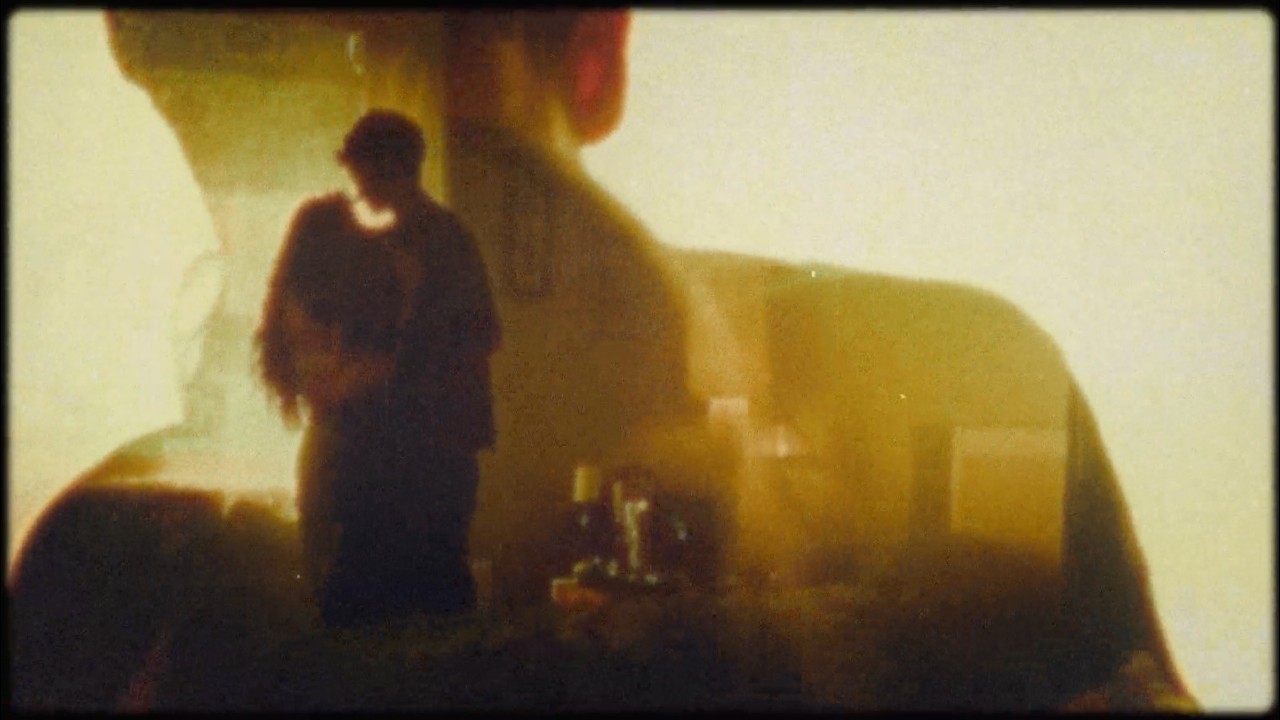
Ada and Ewa are two young schoolteachers in love whose ordinary life is suddenly destabilized when their apartment building is scheduled for demolition. Returning to their families would mean surrendering the independence they have built together, yet they have neither meaningful savings nor clear prospects for securing another home. Their search sends them across the city through apartment castings, financial obstacles and increasingly absurd encounters with other people navigating the same housing crisis.
Filip Bojarski turns that instability into an intimate dramedy with musical elements, allowing two exhausted voices to carry a story about love surviving conditions that make ordinary adulthood increasingly difficult. The central problem may be housing, but the emotional stakes are much larger because Ada and Ewa are not simply searching for another apartment. They are trying to preserve the possibility of continuing their shared life on their own terms.
➡️ Movie Insight: Empty Pockets turns housing insecurity into relationship pressure without separating the personal crisis from the economic one. Ada and Ewa's home represents independence, privacy and the life they have chosen together, making its loss far more significant than losing an address. Finding another apartment becomes a fight to protect the future they are already building.
Why This Movie Matters Right Now: Basic Independence Is Becoming Harder to Secure
The traditional progression into adulthood once appeared relatively straightforward: EDUCATION → EMPLOYMENT → INCOME → HOME → INDEPENDENCE → STABILITY. Empty Pockets disrupts that assumption because Ada and Ewa are employed professionals, yet employment does not provide enough security to protect one of adulthood's most basic foundations: somewhere affordable to live.
Their crisis reveals a larger contradiction. Work can provide income without providing stability, relationships can become serious without making a shared home financially secure, and adulthood can arrive without the economic conditions traditionally associated with independence. The resulting progression becomes EMPLOYMENT → RISING COSTS → HOUSING INSECURITY → LIMITED SAVINGS → FEWER OPTIONS → COMPROMISE → THREATENED INDEPENDENCE.
The apartment hunt therefore becomes a social journey as much as a personal one. As Ada and Ewa encounter other people navigating the same system, their individual problem begins to look increasingly structural. What initially feels like private failure becomes evidence of a much wider struggle over housing, affordability and the ability to establish an independent life.
➡️ Why It Matters: Empty Pockets captures the growing distance between working and feeling economically secure. Ada and Ewa are not pursuing luxury; they are trying to maintain a home and an independent relationship. The comedy emerges from the absurdity of a system in which even modest stability can require extraordinary effort.
Should You Watch It?: A Relationship Comedy Where the Real Antagonist Is Everyday Instability
Empty Pockets is particularly suited to audiences who enjoy relationship stories where external circumstances create as much tension as the relationship itself. Ada and Ewa are already together, shifting the narrative away from whether love will begin and toward whether a shared life can survive the pressures surrounding it.
The 75-minute film combines comedy, drama and music, using the couple's chaotic apartment search as a compact urban odyssey. Housing castings, limited finances and encounters with other struggling city residents provide the comic machinery, while the threat of losing independence gives those situations emotional weight. The result is a relationship comedy in which romance is tested not by an artificial misunderstanding but by the increasingly complicated economics of everyday life.
➡️ Viewing Recommendation: Empty Pockets should appeal to viewers drawn to contemporary European dramedies that transform recognizable social frustrations into character-driven comedy. The apartment search provides the narrative momentum, but the relationship gives the search meaning. The central attraction is watching two people attempt to preserve humor, affection and independence while ordinary life keeps becoming harder to organize.
Why Everyone Is Talking About It: Housing Anxiety Becomes a Generational Comedy
Empty Pockets has already attracted attention through the Polish festival circuit, including recognition at the Polish Film Festival, where it received the Sapphire Lions in the Perspectives Competition. That visibility reinforces the relevance of a film built around one of the most recognizable pressures facing younger adults: securing stable and affordable housing.
Bojarski approaches that pressure through absurdity rather than despair alone. The humiliating apartment castings and chaotic encounters transform housing insecurity into social comedy, while the people Ada and Ewa meet expand the story beyond one couple. The city becomes populated by individuals negotiating different versions of the same instability.
The musical dimension adds another distinctive layer. Instead of presenting economic insecurity entirely through realism, Empty Pockets allows its exhausted protagonists to sing through frustration, turning fatigue itself into part of the film's expressive identity.
➡️ Viral Potential: Empty Pockets has strong conversation potential because the experience at its center is immediately recognizable while the presentation remains distinctive. Apartment searches, impossible requirements and the shrinking affordability of independent living provide relatable material that can travel beyond the Polish context. Humor and music give that anxiety a more shareable language without removing the seriousness underneath it.
Why Empty Pockets Stands Out: The Housing Crisis Becomes a Relationship Story
Many housing-crisis stories focus primarily on economics, while many relationship comedies isolate romantic problems from the material conditions surrounding a couple. Empty Pockets brings those worlds together because the relationship cannot be separated from the physical space that allows it to exist independently.
The threatened apartment therefore represents much more than property. It represents PRIVACY → INDEPENDENCE → PARTNERSHIP → ADULTHOOD → SHARED FUTURE. Losing it threatens to reverse that progression, particularly because returning to their families would mean giving up part of the autonomous life Ada and Ewa have already established.
This makes the housing search emotionally effective because every failed apartment represents more than another rejection. Each failure raises the possibility that external economic conditions may determine what kind of relationship and adulthood remain practically possible.
➡️ Cinema Insight: Empty Pockets stands out by making housing an active force inside the relationship rather than background social context. Ada and Ewa's love is tested by the practical conditions required to sustain an independent life together. The result turns an apartment search into a larger question about how much freedom remains when basic stability becomes difficult to afford.
Movie Trend: Crisis Relationship Comedy — When Finding a Home Becomes a Fight to Keep Building a Life Together
Crisis Relationship Comedy places an established relationship inside an external crisis that begins reshaping what the couple can realistically expect from everyday life. Empty Pockets uses housing as that pressure point because losing a home threatens privacy, independence, financial security and the continuity of the relationship simultaneously.
The progression is simple but increasingly difficult: LOVE → SHARED HOME → DEMOLITION → HOUSING LOSS → NO SAVINGS → APARTMENT SEARCH → HUMILIATING CASTINGS → LIMITED OPTIONS → RELATIONSHIP PRESSURE → HUMOR → PERSISTENCE → FIGHT FOR A SHARED FUTURE. The crisis does not create the relationship; it tests whether the life surrounding that relationship can continue.
That distinction makes the trend broader than romantic comedy. The central question is no longer whether two people will fall in love but whether love can remain resilient when housing, money and basic stability continually work against the life being built together.
➡️ Movie Trend: Crisis Relationship Comedy transforms external instability into intimate relationship pressure. Empty Pockets makes the search for housing simultaneously a search for continuity, independence and a shared future. The comedy comes from watching ordinary aspirations collide with systems that make those aspirations increasingly difficult to achieve.
Broad Trend: Living Crisis — When Rising Costs Turn Basic Independence Into Something That Has to Be Fought For
Living Crisis describes a condition in which ordinary life becomes progressively harder to sustain despite participation in the systems traditionally expected to provide stability. Employment remains important, but employment alone may no longer guarantee housing security, meaningful savings or the ability to establish an independent household.
Ada and Ewa embody this contradiction particularly clearly because they are working teachers rather than characters outside employment. Their instability therefore exposes the weakening relationship between WORK → INCOME → SECURITY. The new progression becomes WORK → INCOME → ESSENTIAL COSTS → LIMITED SAVINGS → HOUSING PRESSURE → COMPROMISE → CONTINUING INSECURITY.
The consequences extend beyond money because affordability shapes lifestyle possibilities. Housing affects where relationships can develop, whether independence from family can be maintained, how much privacy remains available and whether future planning feels realistic. When the basics absorb increasing amounts of income and attention, aspiration can gradually shrink from building a better life toward simply preserving the life already achieved.
Broad Trend Formula
EMPLOYMENT → EXPECTATION OF INDEPENDENCE → RISING LIVING COSTS → HOUSING INSECURITY → SAVINGS GAP → FEWER OPTIONS → COMPROMISE → DELAYED OR THREATENED INDEPENDENCE → RELATIONSHIP PRESSURE → SHRINKING EXPECTATIONS → BASIC STABILITY BECOMES AN ASPIRATION
Empty Pockets captures this shift particularly well because Ada and Ewa are not searching for exceptional success. They are trying to secure somewhere to live together. The modesty of that objective is precisely what makes the struggle socially significant.
➡️ Broad Trend: Living Crisis emerges when basic stability begins consuming the time, money and emotional energy once available for building the future. Housing becomes especially powerful because it connects affordability directly with independence, relationships and personal autonomy. Empty Pockets captures a generation increasingly forced to treat ordinary adulthood as something that must continually be negotiated rather than naturally achieved.
Why Crisis Relationship Comedies Are Popular: Shared Frustration Becomes Shared Humor
Comedy provides a particularly effective language for pressures that are serious but repetitive. Apartment applications, intrusive questions, unreasonable requirements and financial calculations can become exhausting in everyday life, yet their absurdity also makes them naturally comic when placed inside a narrative.
Empty Pockets uses that tension to prevent housing insecurity from becoming purely bleak. Ada and Ewa can be exhausted and still funny, financially insecure and still affectionate, uncertain about the future and still determined to remain together. Humor becomes less an escape from reality than a strategy for enduring it.
The relationship strengthens that effect because frustration is shared. Rather than watching one isolated individual struggle against an impossible system, the film follows two people attempting to preserve a sense of partnership while the external environment continually creates new problems.
➡️ Audience Motivation: Crisis comedies turn collective frustrations into experiences that can be recognized, shared and laughed at without pretending those frustrations are insignificant. Empty Pockets uses humor to make housing insecurity emotionally accessible while preserving its structural seriousness. The relationship at the center gives that crisis warmth by showing how affection and solidarity can survive even when stability cannot be guaranteed.
Viewer Profile: Life Negotiators - Viewers Choosing Relationship Stories About Making Love Work When Everyday Life Becomes Increasingly Unaffordable
Life Negotiators are drawn to characters trying to maintain meaningful lives while economic reality continually changes the available options. They respond to stories where relationships, work, housing and independence are interconnected because those pressures resemble the practical negotiations shaping contemporary adulthood.
Audience Dimension | Profile |
Core Audience | Viewers drawn to contemporary relationship comedies, social dramedies and everyday-life stories |
Age Group | Younger and middle-aged adults navigating housing, work, relationships and financial independence |
Lifestyle | Urban audiences balancing living costs with the desire for autonomy, stability and meaningful relationships |
Cinema Taste | European dramedy, social comedy, relationship cinema, musical hybrids and character-driven independent film |
Streaming Behavior | Festival discoveries, international cinema and socially relevant contemporary stories |
Discovery Mindset | Looks for films that transform recognizable everyday problems into emotionally engaging entertainment |
➡️ Audience Insight: Life Negotiators recognize that contemporary relationships are shaped by far more than emotional compatibility. Housing, employment, savings and family dependence can influence whether an independent shared life remains practical. Empty Pockets speaks directly to this audience by making those negotiations part of the romance rather than treating money and housing as background details.
What This Movie Means for the Industry: Everyday Economic Anxiety Is Becoming Entertainment
Empty Pockets demonstrates how filmmakers can turn economic pressure into accessible entertainment without separating the comedy from the social reality underneath it. The housing crisis provides immediate relevance, the relationship provides emotional investment and the musical-comedy elements provide a distinctive storytelling language.
The formula becomes EVERYDAY PROBLEM + RELATIONSHIP STAKES + COMEDY + MUSIC = SOCIAL REALITY AS ENTERTAINMENT. This allows the film to discuss affordability and generational instability without becoming purely issue-driven because the economic argument remains embedded inside recognizable characters and situations.
That approach also reflects a broader opportunity for contemporary cinema. Audiences increasingly live with pressures involving housing, employment, inflation and financial uncertainty, creating space for stories that translate those experiences into comedy, romance, drama and genre entertainment rather than treating economic insecurity exclusively through social realism.
➡️ Industry Insight: Empty Pockets shows how ordinary economic frustrations can become strong narrative engines when connected to recognizable emotional stakes. Housing insecurity matters because it changes relationships, independence and expectations about adulthood. Cinema can make those pressures culturally visible while still providing humor, character and entertainment.
Creative Analysis: Turning Housing Anxiety Into an Absurd Romantic Odyssey
Empty Pockets builds its identity by refusing to separate economic pressure from emotional life. Housing insecurity creates the plot, Ada and Ewa's relationship creates the stakes, the city expands the crisis beyond the couple and humor prevents instability from becoming a purely bleak experience. The musical element adds another layer by allowing exhaustion and frustration to become part of the film's expressive language.
Storytelling: An Apartment Search Becomes a Journey Through a Broken System
The screenplay begins with a simple objective: Ada and Ewa need another home. That objective becomes increasingly complicated as the search exposes financial limitations, humiliating apartment castings and other people struggling with the same housing environment. The progression moves from PRIVATE PROBLEM → APARTMENT SEARCH → REPEATED OBSTACLES → OTHER STRUGGLING PEOPLE → SHARED SOCIAL PROBLEM, allowing the narrative to expand naturally from one relationship toward a broader portrait of urban instability.
Direction: Finding Comedy Inside Everyday Humiliation
Filip Bojarski uses absurdity to expose how strange supposedly ordinary systems can become under pressure. Apartment hunting is transformed from a mundane activity into a sequence of evaluations, negotiations and humiliations in which people effectively compete for access to basic stability. The comic treatment does not remove the seriousness of the situation; it makes the underlying imbalance more visible by showing how unreasonable circumstances have become normalized.
Performances: Making Exhaustion Part of the Relationship
Helena Rzasa and Julia Piklikiewicz carry a story in which tiredness is central rather than incidental. Ada and Ewa are not navigating a glamorous romantic adventure but trying to preserve affection while practical problems continually consume attention and energy. Their relationship gains credibility from that exhaustion because love is expressed not through idealized romance but through persistence, shared frustration, humor and the continuing decision to face instability together.
Visual Style: The City Becomes a Map of Housing Insecurity
The apartment search turns urban space into part of the story because every new location represents another possible future and another potential rejection. Homes stop functioning simply as backgrounds and become symbols of access, affordability, privacy and independence. Moving repeatedly through the city reinforces the instability of characters who are searching for somewhere fixed, turning physical movement into a visual expression of their inability to secure permanence.
Themes: Housing, Independence and the Economics of Love
Housing connects the film's major themes because a home represents financial security, personal autonomy and the private space in which a relationship can develop. Ada and Ewa's crisis demonstrates how economic pressure can move directly inside intimate life, making money and housing part of emotional decision-making. The film therefore asks whether independence remains genuinely available when maintaining even a modest shared life requires increasingly difficult compromises.
What Makes It Different: The Housing Crisis Becomes a Musical Relationship Comedy
The most distinctive creative choice is the combination of housing insecurity, relationship comedy and musical expression. A story about demolition, limited savings and apartment rejection could easily become conventional social realism, but Empty Pockets instead embraces absurdity, humor and tired voices singing through the crisis. That tonal mixture reflects the experience itself because serious economic pressure does not eliminate affection, comedy or everyday absurdity; all of them can exist simultaneously.
➡️ Creative Insight: Empty Pockets turns an apartment search into an emotional and social journey through contemporary precarity. Housing provides the crisis, Ada and Ewa's relationship provides the emotional stakes, and humor transforms repeated frustration into a form of resilience. The musical dimension completes the idea by allowing two exhausted people to keep finding a voice even when the conditions surrounding their shared life become increasingly unstable.
If You Liked Empty Pockets: When Building an Independent Life Becomes Harder Than Expected
Relationship Goals (2026) by Linda Mendoza: When Building a Relationship Means Reconsidering What a Successful Life Together Should Look Like
Relationship Goals approaches contemporary partnership through people trying to reconcile romantic expectations with the realities surrounding adult relationships. Like Empty Pockets, it shifts attention away from the fantasy of simply finding love toward the more complicated question of how a relationship functions once ambitions, expectations and everyday pressures enter the equation.
➡️ Why It Connects: Empty Pockets follows Ada and Ewa as housing insecurity threatens the independent life they have already built, while Relationship Goals explores the expectations attached to building a successful relationship in the first place. Both connect romance with the practical realities surrounding contemporary adulthood rather than treating love as something isolated from everyday life.
➡️ Where to Watch: US
Rental Family (2025) by Hikari: When Economic Necessity Turns Connection Into Something That Has to Be Negotiated
A struggling American actor living in Tokyo begins working for a rental-family agency, performing roles inside other people's lives in exchange for money. What starts as employment gradually becomes emotionally complicated as temporary performances create genuine attachments and make the boundary between paid relationships and authentic connection increasingly unstable.
➡️ Why It Connects: Rental Family and Empty Pockets both examine people trying to construct workable lives inside circumstances that do not provide much security. Ada and Ewa confront housing instability despite having jobs, while Philip turns emotional performance into employment because his own professional life has stalled. Both films use comedy and warmth to explore a larger Living Crisis tension: economic necessity increasingly reaches into areas of life once imagined as separate from money.
➡️ Where to Watch: US
The Property (2024) by Dana Modan: When a Home Becomes Entangled With Family, Memory and the Life That Might Have Been
After the death of her son, 83-year-old Regina travels to Poland with her granddaughter Mika to reclaim family property confiscated during World War II, while secretly hoping to reconnect with a first love left behind decades earlier. Property consequently becomes much more than a financial asset, connecting housing and ownership with family history, relationships, belonging and unresolved possibilities.
➡️ Why It Connects: The Property and Empty Pockets approach housing from different generations but share the idea that a home is never merely physical space. For Ada and Ewa, housing represents the possibility of maintaining an independent shared future; for Regina, property connects the present with family history and a life interrupted by the past. Both transform the search for a place into a larger examination of belonging and what having somewhere to call home actually represents.
➡️ Where to Watch: US
➡️ If You Liked Insight: Relationship Goals, Rental Family and The Property expand Empty Pockets beyond the literal apartment search into the larger difficulty of constructing a stable adult life. Relationships, employment, money, housing and belonging increasingly overlap rather than functioning as separate parts of adulthood. Empty Pockets captures the same shift through its most immediate expression: two people discovering that preserving a simple life together can require an extraordinary amount of negotiation.
Final Verdict: When Staying Together Also Means Fighting for Somewhere to Be Together
Empty Pockets makes a deliberately modest aspiration feel increasingly radical: two people want somewhere affordable to live together. Ada and Ewa have jobs, a relationship and a desire for independence, yet the housing system threatens to separate those achievements from the stability they are supposed to create. Their apartment search therefore becomes a fight not only for shelter but for continuity.
The comedy prevents that struggle from becoming purely pessimistic because Ada and Ewa retain humor while moving through uncertainty. Their ability to keep going together becomes as important as whether the housing search succeeds, turning resilience into a shared rather than individual quality.
➡️ Final Verdict: Empty Pockets turns the housing crisis into a relationship story about preserving independence when ordinary stability becomes increasingly difficult to afford. Ada and Ewa are not searching for an exceptional life but fighting to maintain a basic shared one. That simplicity gives the film its relevance because the smaller the aspiration becomes, the more revealing its difficulty becomes.
Quick Facts: Love, Housing and the Living Crisis
Original Title | Czarna godzina |
International Title | Empty Pockets |
Director / Writer | Filip Bojarski |
Stars | Helena Rzasa, Julia Piklikiewicz |
Year | 2026 |
Runtime | 75 min |
Country | Poland |
Language | Polish |
Genres | Comedy / Drama / Music |
Production | Studio Munka – Polish Filmmakers Association / Canal+ Polska |
Movie Trend | Crisis Relationship Comedy — When Finding a Home Becomes a Fight to Keep Building a Life Together |
Broad Trend | Living Crisis — When Rising Costs Turn Basic Independence Into Something That Has to Be Fought For |
Viewer Profile | Life Negotiators |
Core Conflict | Ada and Ewa must find another home after their building is scheduled for demolition while lacking savings and refusing to surrender their independent life together |
Creative Hook | Housing-crisis dramedy transformed into an absurd urban odyssey with musical elements |
Core Themes | Housing, affordability, independence, relationships, financial insecurity, resilience and contemporary adulthood |
Festival Recognition | Sapphire Lions, Polish Film Festival 2026 |
Final Insights: When Ordinary Adulthood Becomes an Economic Achievement
Living Crisis is changing the meaning of independence because employment no longer automatically translates into the material stability required to build an autonomous life. Housing makes that contradiction especially visible because affordability determines far more than where people sleep; it affects privacy, relationships, family dependence, geographic mobility and the ability to imagine a stable future.
Empty Pockets captures that shift through two people whose aspirations are strikingly ordinary. Ada and Ewa want to work, live together and preserve the independence they have already created, yet maintaining those basics becomes an exhausting negotiation. Their story turns housing insecurity into something larger: a portrait of adulthood increasingly defined not by reaching the next milestone but by fighting to prevent existing stability from disappearing.
➡️ Final Insight: The Living Crisis begins when ordinary stability starts feeling aspirational. Housing insecurity exposes that transformation because losing a home can simultaneously threaten independence, relationships and confidence in the future. Empty Pockets turns that anxiety into comedy while revealing a deeper generational shift from building a better life toward struggling to preserve a workable one.
Comments