



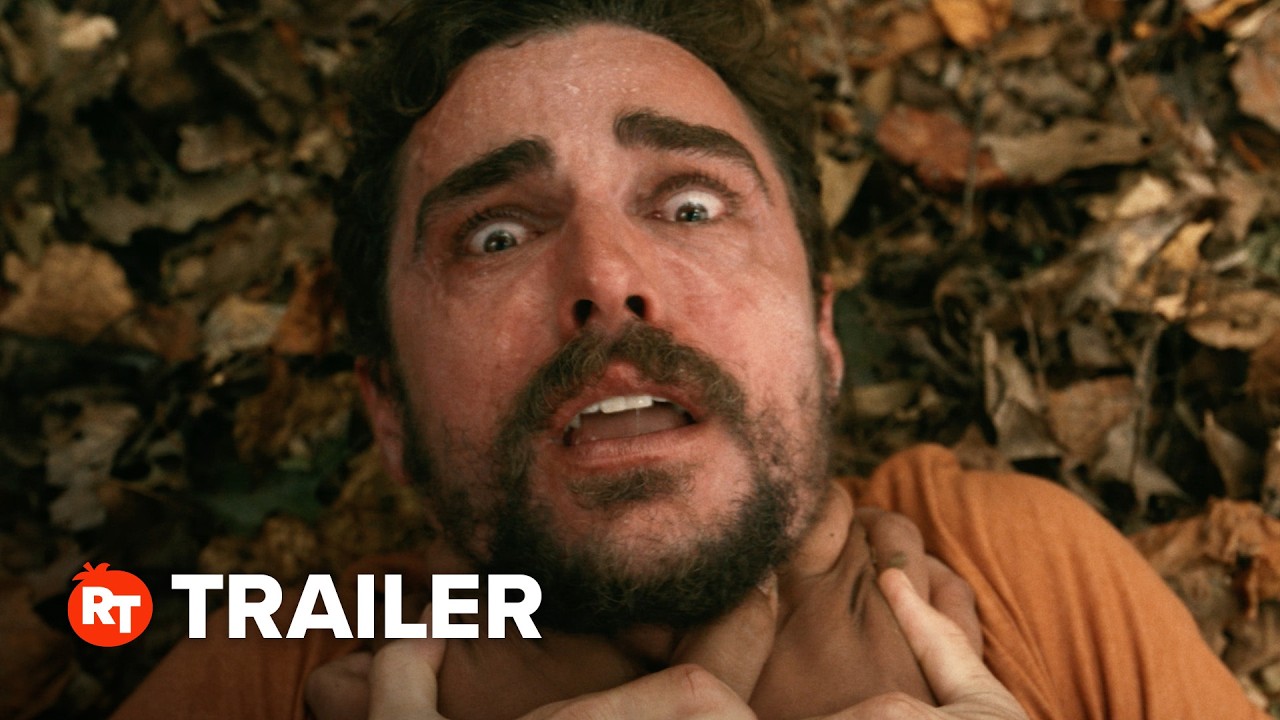
Ancestors (2026) by David Turpin

UK / IE | 2026 | 106 min | Memory Drama
➡️ Where to Watch: Festival Circuit , Festival Scope Pro — Available for industry professionals
When Looking for Someone Who Disappeared Becomes a Search Through Memory
London, 1988. Beau searches for his missing friend Tiny, but the deeper he moves into that disappearance, the less his journey follows the rules of a conventional missing-person mystery. Dreams, memories, reality and history begin to overlap, transforming the search into an encounter with people and experiences that seem simultaneously gone and still present.
David Turpin uses one missing person to open a much larger story about absence. What begins as Beau trying to discover where Tiny went gradually becomes a meditation on how people continue to exist through memory—and how an entire generation affected by the AIDS crisis continues to shape those who came after.
➡️ Movie Insight: Ancestors begins with a disappearance but gradually moves beyond the mystery of where someone went. Beau is searching through memories as much as through London. Finding Tiny becomes inseparable from understanding what the past has left behind.
Why This Movie Matters Right Now: Remembering People Who Might Otherwise Disappear
Ancestors returns to 1988 London and the AIDS crisis without approaching the period simply as reconstructed history. Instead, Turpin makes memory itself part of the storytelling, allowing dreams, recollections and imagined encounters to bring the past into the present. Screen Ireland describes the film as a story in which reality, memory and fantasy intertwine during Beau's search, while TIFF positioned it as a dreamlike exploration of the legacy of the AIDS crisis.
That perspective makes the film as much about remembering as mourning. The people Beau encounters belong to a particular historical moment, but their experiences survive through the memories, relationships and stories carried forward by others.
➡️ Why It Matters: Remembering someone prevents disappearance from becoming complete. Cinema can reconnect audiences with lives that history can reduce to statistics or silence. Ancestors turns personal memory into a way of keeping the past present.
Should You Watch It?: A Mystery That Gradually Becomes a Meditation on Memory
Ancestors is suited to viewers comfortable with stories that do not separate reality, memory and imagination neatly. Turpin describes the film as beginning with a missing-person mystery before moving somewhere deeper, using dreams to approach questions that rational explanation cannot answer.
The result combines drama, mystery and metaphysical elements rather than operating like a conventional investigation. Éanna Hardwicke leads as Beau, with Jack Wolfe as Tiny, alongside Jessica Reynolds, Rupert Everett and Christina Hendricks.
➡️ Viewing Recommendation: Watch it for the journey rather than simply the answer to the mystery. Ancestors uses disappearance to explore memory, friendship and loss. Its dreamlike structure is central to what the film is trying to communicate.
Why Everyone Is Talking About It: A Debut That Won International Critics at TIFF
Ancestors had its world premiere in TIFF's Discovery programme, the festival section dedicated to emerging filmmakers. It marked David Turpin's first feature as writer-director after earlier work as a screenwriter.
The film then won the 2026 FIPRESCI Prize, the International Critics' Prize awarded to an emerging filmmaker with a debut feature world-premiering in Discovery. The jury particularly highlighted Turpin's ability to translate memories and recollections into cinematic language, making the award unusually connected to the film's central creative idea.
➡️ Viral Potential: The FIPRESCI win gives Ancestors significant early festival credibility. Its combination of queer history, mystery and dreamlike storytelling gives audiences multiple ways into the film. Éanna Hardwicke, Jack Wolfe, Rupert Everett and Christina Hendricks further expand its discovery potential.
Why Ancestors Stands Out: The Missing Person Mystery Is Really About What Remains
The disappearance of Tiny provides the narrative question, but Ancestors gradually shifts attention from finding a person toward understanding what remains after someone is gone. The British Council describes the film as simultaneously a love story, noir mystery and metaphysical fable in which dream, reality, memory and history become intertwined.
This allows Turpin to move between an individual relationship and something larger. Beau may be looking for Tiny, but his search increasingly connects him with a wider history of people whose lives were interrupted, forgotten or remembered only by those who survived them.
➡️ Cinema Insight: Ancestors uses mystery as an entrance rather than a destination. The question of where Tiny went opens a deeper question about where people go when only memories remain. The search therefore moves from physical disappearance toward historical remembrance.
Movie Trend: Memory Drama — When Searching for Someone Who Disappeared Becomes a Journey Through the Past
Memory dramas turn the past into an active part of the present. Characters do not simply remember what happened; memories begin changing how they understand themselves, other people and experiences they thought were gone.
Ancestors gives this structure the momentum of a missing-person mystery. Beau searches 1988 London for Tiny, but dreams, fragmented recollections and encounters increasingly transform that investigation into a journey through friendship, loss and the historical world surrounding them.
Trend Formula:disappearance → search → memories return → reality and dreams overlap → past resurfaces → personal loss connects with history → remembrance
➡️ Movie Trend: Memory Drama makes remembering part of the story rather than simply its background. Beau's search for Tiny becomes a search through experiences that refuse to remain in the past. The mystery gradually becomes an act of remembrance.
Broad Trend: The Past Lives On — When Memories Continue to Shape the Present
The past rarely disappears completely. People carry earlier generations through photographs, stories, places, relationships and memories, even when they never personally experienced the events being remembered.
Ancestors makes that connection especially powerful through the AIDS crisis. Rather than treating the period as closed history, the film explores how loss travels across generations and how remembering can reconnect the present with people who are no longer here.
Broad Trend Formula:loss → memory → remembering → connection → past returns → new understanding → the past lives on
➡️ Broad Trend: The Past Lives On reflects the need to understand how earlier lives continue influencing the present. Memory creates connections across time that physical absence cannot completely erase. Remembering becomes a way of carrying people forward.
Why Memory Dramas Are Popular: The Past Helps Explain the Present
Memory dramas allow audiences to experience history through individual lives rather than distant facts. By moving between past and present, reality and recollection, these stories make earlier experiences feel immediate while asking how much of identity is built from people, relationships and histories that came before.
➡️ Audience Motivation: Audiences can use personal stories to enter histories they may never have experienced themselves. Memory makes those histories intimate rather than abstract. The past becomes something to understand rather than simply something that happened.
Viewer Profile: Life Reflectors - Viewers Choosing Stories About Memory, Loss and the People Who Continue to Shape Us
Life Reflectors gravitate toward films that use personal relationships to explore larger questions about identity, memory and time. They are comfortable with stories where understanding matters more than conventional plot resolution.
Ancestors particularly suits viewers drawn to queer cinema, historical memory and filmmaker-led drama, while its mystery structure gives the story an accessible narrative starting point.
Audience Dimension | Profile |
Core Audience | Arthouse, LGBTQ+ cinema, memory drama and festival-film audiences |
Age Group | Adult audiences |
Lifestyle | Culturally engaged viewers interested in personal stories connected to wider history |
Cinema Taste | Memory drama, queer cinema, mystery, metaphysical drama and intimate historical stories |
Streaming Behavior | Follows festival discoveries, acclaimed performances and filmmaker-led independent cinema |
Discovery Mindset | Looks for stories that reveal larger histories through individual lives |
➡️ Audience Insight: Life Reflectors use cinema as a way of connecting personal experience with larger questions about life and memory. Ancestors offers that reflection through Beau's relationship with Tiny. One disappearance gradually opens the story of a generation.
What This Movie Means for the Industry: History Becomes Personal Memory
Ancestors shows how historical cinema can move away from straightforward reconstruction. Rather than explaining the AIDS crisis through a conventional chronological narrative, Turpin filters the period through friendship, disappearance, dreams and memories.
That approach allows historical experience to remain subjective and incomplete. It also demonstrates how emerging filmmakers can revisit well-documented periods from new generational perspectives, asking not only what happened but how people born later can connect with those who lived through it.
➡️ Industry Insight: Historical cinema does not always need to recreate the past literally. Memory can provide another route into experiences that are difficult to reconstruct completely. Ancestors turns remembrance itself into cinematic language.
Creative Analysis: When Memory Makes the Past Feel Present Again
Ancestors is structured around borders: past and present, memory and reality, life and death. Turpin has described the film as a kind of séance, an attempt to reach across time toward people he could never personally know.
That concept gives the film's dreamlike storytelling a clear purpose. The shifting realities are not simply stylistic experimentation; they reflect the difficulty of trying to understand people and experiences that can now only be reached through what they left behind.
Storytelling: Turning a Missing-Person Mystery Into a Journey Through Memory
The film begins with an immediately understandable narrative engine: Tiny disappears and Beau searches for him.
But the investigation becomes increasingly fractured as different periods, recollections and dream states overlap. Reviews from TIFF describe the film as moving between timelines and using flashbacks and visions as Beau's search deepens.
Direction: Letting Dreams and Reality Exist Together
Turpin does not establish a rigid boundary between what Beau remembers, dreams and experiences. That uncertainty allows the film to move from mystery toward something more metaphysical.
Turpin's own description of Ancestors as a séance explains this approach particularly well: the film is attempting to reach beyond the present rather than simply reconstruct the past.
Performances: Making Friendship the Personal Doorway Into Collective Loss
Éanna Hardwicke's Beau provides the film's central perspective, while Jack Wolfe's Tiny becomes both the object of his search and the person around whom memory begins reorganizing itself.
Jessica Reynolds, Rupert Everett and Christina Hendricks expand that world beyond the central relationship. Hendricks' Gloria, in particular, belongs to the film's more dreamlike dimension, helping the story move between physical reality and something harder to define.
Visual Style: Making Memory Look Like Something Already Fading
Patrick Jordan's cinematography supports the film's memory structure rather than simply recreating 1988 London. TIFF coverage noted its dreamlike imagery, while one review describes the square framing and faded quality as resembling an old photograph.
That visual approach makes the past feel simultaneously present and unreachable. Images appear preserved by memory while already carrying the sense that something has been lost.
Themes: How the People We Lose Continue to Shape Those Who Remain
Loss is central to Ancestors, but memory prevents loss from becoming simple absence. Beau's relationship with Tiny survives through the act of searching, remembering and trying to understand.
The AIDS crisis expands that idea from one relationship toward collective history. The film becomes concerned with who remembers people after they disappear and how later generations inherit stories belonging to lives they never personally knew.
What Makes It Different: Turning Queer History Into Something Remembered Rather Than Reconstructed
Ancestors does not approach the past as if every missing piece can be recovered. Its fragmented structure acknowledges that history contains absences.
That makes memory especially important. Dreams, photographs, stories and recollections become imperfect bridges toward people who can no longer speak for themselves.
➡️ Creative Insight: Ancestors makes incompleteness part of its storytelling. Memory cannot fully restore what has disappeared, but it can prevent complete erasure. The film turns that tension into its creative identity.
If You Liked Ancestors (2026): Memory, Loss and the Past Returning
All of Us Strangers (2023) by Andrew Haigh: When Love and Memory Make the Past Feel Present Again
A lonely screenwriter encounters the apparently living versions of his deceased parents while beginning a relationship with another man, allowing memory, grief and desire to occupy the same reality.
➡️ Why It Connects: Both films blur the boundary between the living and the remembered. Queer identity becomes connected with people and experiences from another time. Memory creates encounters that ordinary reality cannot provide.
➡️ Where to Watch: UK
Aftersun (2022) by Charlotte Wells: When Remembering Someone Becomes an Attempt to Understand Who They Really Were
An adult woman reconstructs memories of a childhood holiday with her father, gradually discovering meanings that she could not understand when she originally experienced them.
➡️ Why It Connects: Both films treat memory as incomplete and constantly changing. Looking backward reveals things that were invisible when they first happened. Remembering becomes another form of searching.
➡️ Where to Watch: UK
The Eternal Daughter (2022) by Joanna Hogg: When Returning to a Place Awakens Memories That Refuse to Stay in the Past
A filmmaker and her elderly mother visit an old family hotel where memories and unexplained presences gradually blur past and present.
➡️ Why It Connects: Both films use ghostly elements without abandoning intimate personal drama. Places and memories allow the past to enter the present. Absence becomes something that can still be felt.
➡️ Where to Watch: UK
➡️ If You Liked Insight: These films treat memory as something active rather than fixed. People who are gone continue influencing those who remember them. The past survives through the relationships that carry it forward.
Final Verdict: A Missing Friend Becomes the Doorway Into a Lost Past
Ancestors begins with one of cinema's most familiar mysteries—someone has disappeared—but uses that question to reach somewhere less conventional. Beau's search for Tiny becomes increasingly connected with memory, history and the lives lost during the AIDS crisis.
The FIPRESCI recognition at TIFF strengthens the film's emergence as a significant debut, particularly because the jury responded directly to its transformation of recollection into cinematic language. Rather than simply telling audiences about the past, Ancestors tries to make remembering itself visible.
➡️ Final Verdict: Ancestors turns disappearance into remembrance. Its mystery gradually opens into a story about people whose influence survives their physical absence. Searching for Tiny ultimately means searching for a way to keep the past connected to the present.
Quick Facts: A Young Man Searching 1988 London for His Missing Friend Finds Memory, Love and History Colliding Around Him
Director | David Turpin |
Screenplay | David Turpin |
Lead Cast | Éanna Hardwicke / Jack Wolfe |
Key Cast | Jessica Reynolds / Rupert Everett / Christina Hendricks |
Countries | United Kingdom / Ireland |
Year | 2026 |
Runtime | 106 min |
Genre | Memory Drama |
Language | English |
Cinematography | Patrick Jordan |
Editing | Stephanie McCutcheon |
Music | Stephen Shannon |
Production Design | Louise Mathews |
Production | Samson Films / Lunatica |
Producers | David Collins / Eamon Hughes / Miranda Ballesteros |
Festival Profile | Toronto International Film Festival 2026 — Discovery — World Premiere |
Awards & Recognition | 2026 FIPRESCI Prize — Winner |
Movie Trend | Memory Drama — When Searching for Someone Who Disappeared Becomes a Journey Through the Past |
Broad Trend | The Past Lives On — When Memories Continue to Shape the Present |
Central Characters | Beau / Tiny |
Core Conflict | Beau searches 1988 London for his missing friend as memory, dreams and history begin to overlap |
Creative Hook | A missing-person mystery gradually transforms into a journey through memory and collective loss |
Core Themes | Memory / friendship / loss / queer history / AIDS crisis / identity / remembrance |
Why Watch | A FIPRESCI-winning debut that uses mystery and dreamlike storytelling to explore how the past continues living through memory |
Final Insights: Remembering Keeps the Past Alive
Memory dramas are increasingly valuable because they allow cinema to connect generations without pretending the past can be completely reconstructed. Personal memories, photographs, stories and imagined encounters can make historical experiences immediate while acknowledging that something has inevitably been lost.
Ancestors pushes that idea further by connecting one missing friend with a generation affected by the AIDS crisis. Its broader message is simple: people disappear, but their influence can continue through those who remember them.
➡️ Final Insight: The past does not survive only in history books. It survives through memories, stories and the people who continue carrying them. Ancestors turns remembering into a way of keeping lost lives present.

Comments