


A Poet (2025) by Simón Mesa Soto: A wry indie character drama about failure, mentorship, and the quiet cost of believing in art
- dailyentertainment95

- 5 hours ago
- 8 min read
Summary of the Movie: When belief outlasts talent
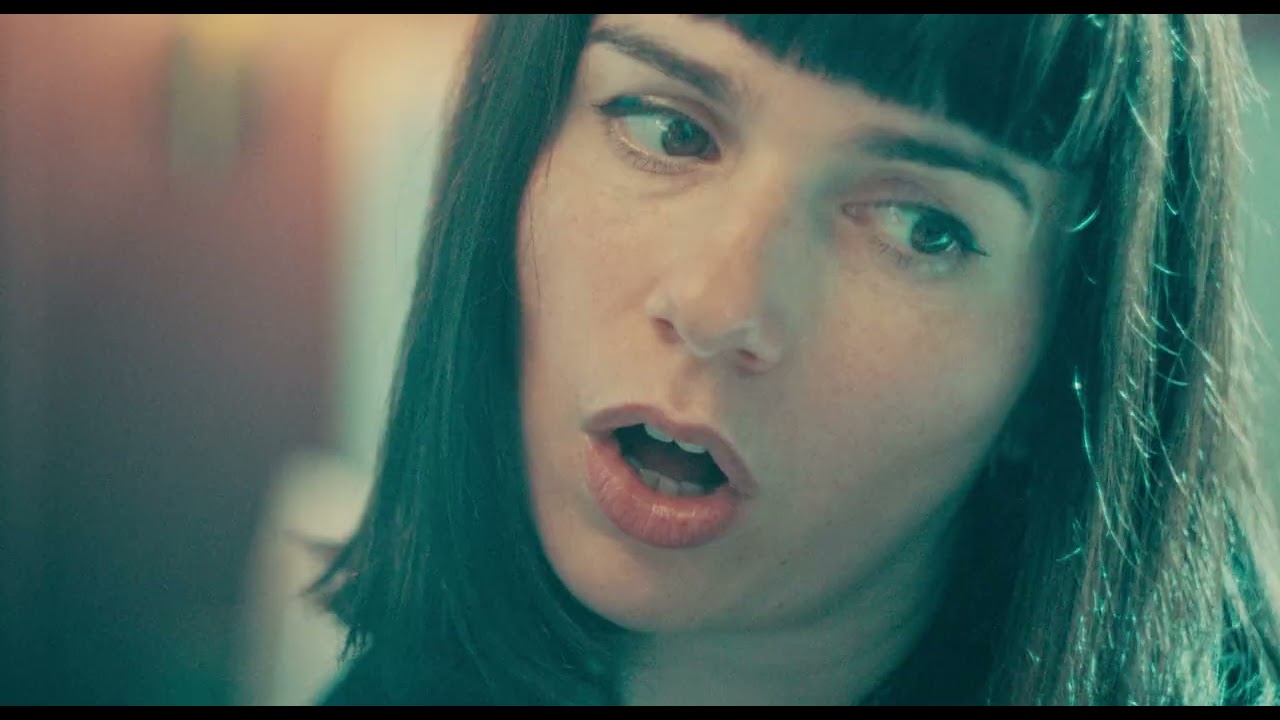
This indie character drama moves with a light touch but carries a heavy truth, following a man whose devotion to poetry has brought him more isolation than recognition. The film finds its tension not in success or collapse, but in the awkward space where belief keeps going long after proof has stopped.At its center, A Poet follows Efraín, an aging, financially unstable poet who finds renewed purpose mentoring Yurlady, a gifted teenage girl, even as his attempt to guide her risks pulling her into the same dead-end world that quietly defeated him.
Where to watch: https://www.amazon.com/Poet-Sim%C3%B3n-Mesa-Soto/dp/B0GF3D177P/ (US)
Link IMDB: https://www.imdb.com/title/tt36544524/
Genre: Indie character drama with dry humorThe film blends realism, irony, and gentle comedy, using small moments and emotional friction rather than plot mechanics to build meaning.
• Movie plot: A mentor chasing relevance through someone elseEfraín, stuck between artistic pride and material failure, latches onto Yurlady’s talent as a chance to matter again, pushing her toward literary spaces that promise legitimacy but quietly reproduce exclusion.
• Movie themes: Artistic faith, failure, and quiet exploitationThe story examines how belief in art can become both sustaining and destructive, especially when mentorship blurs into projection and self-justification.
• Movie trend: Anti-hero creatives without redemption arcsIt fits a wave of films that portray aging artists not as misunderstood geniuses, but as people whose convictions may be sincere and still deeply limiting.
• Social trend: Cultural gatekeeping disguised as opportunityThe film reflects how elite creative spaces often frame access as generosity, while subtly preserving hierarchies that reward insiders and exhaust newcomers.
• Movie director: Simón Mesa Soto’s compassionate ironyMesa Soto directs with restraint and humor, balancing empathy for his protagonist with a clear-eyed view of the systems that shaped him.
• Top casting: Performances built on discomfort, not charmGuillermo Cardona plays Efraín with brittle pride and quiet desperation, while Rebeca Andrade gives Yurlady a grounded intelligence that resists romanticization.
• Awards and recognition: 11 wins and 6 nominations confirm festival resonanceThe film’s awards track reflects strong critical alignment with its tonal confidence and cultural specificity rather than mainstream appeal.
• Release and availability: August 28, 2025 theatrical releasePremiering theatrically in Colombia before wider international circulation, the film follows a festival-led path typical of director-driven indie dramas.
• Why to watch movie: Art without guaranteesThis is a film for viewers drawn to stories about belief, failure, and the uneasy ethics of mentorship without easy moral framing.
• Key Success Factors: Precision of tone over plot payoffBy committing fully to restraint, irony, and emotional ambiguity, the film earns its impact through consistency rather than escalation.
Insights: Belief becomes both the engine and the risk
Industry Insight: Indie cinema is increasingly willing to center flawed creatives without offering redemption or triumph. Cultural credibility now comes from honesty rather than aspiration.Consumer Insight: Audiences drawn to this film are comfortable sitting with discomfort and moral ambiguity. Recognition matters more than resolution.Brand Insight: The film signals that credibility comes from restraint and specificity. Letting tension linger builds trust more effectively than forced uplift.
A Poet never asks whether art is worth believing in, only what it costs to keep believing when the world has stopped listening. Its strength lies in how gently it exposes that tension without judging it. The result is a film that lingers not because it inspires, but because it feels uncomfortably true.
Why It Is Trending: Creative failure feels more honest than creative success right now
This film is landing at a moment when audiences are increasingly skeptical of talent myths and breakthrough narratives. Stories about stalled lives, compromised ideals, and uneven power dynamics inside “creative worlds” are resonating more than fantasies of late recognition.
• Concept → consequence: Failure is no longer a detourRather than framing artistic failure as something to overcome, the film treats it as a stable condition that shapes identity, ethics, and relationships over time.
• Culture → visibility: Creative spaces are being re-examinedThe poetry scene is shown less as a haven and more as a gatekept ecosystem, aligning with broader cultural scrutiny of who benefits from mentorship and who gets stalled inside it.
• Distribution → discovery: Festival audiences reward restraintThe film’s traction comes from festivals and critics who value tonal precision, irony, and moral ambiguity over inspirational arcs.
• Timing → perception: Belief without payoff feels contemporaryIn an era of stalled mobility and shrinking creative ladders, a story about believing anyway—without reward—feels recognizably current.
Insights: Disillusionment has become relatable
Industry Insight: Character-driven indie dramas are gaining relevance by interrogating creative systems rather than celebrating them. Honesty about failure is increasingly treated as cultural sophistication.Consumer Insight: Viewers are drawn to stories that validate stalled ambition and compromised ideals. Seeing failure normalized feels closer to lived experience than success stories.Brand Insight: Cultural credibility now comes from realism over aspiration. Showing the limits of belief can be more resonant than selling hope.
A Poet benefits from a moment that rewards emotional and moral realism over triumph. Its refusal to redeem its protagonist reads as confidence rather than pessimism. The film’s relevance comes from naming failure without turning it into spectacle.
What Movie Trend Is Followed: Stories about artists who don’t make it—and keep going anyway
A Poet sits within a growing wave of character-driven films that shift attention away from creative success and toward creative persistence. Instead of breakthroughs or redemption arcs, the story commits to ambiguity, showing what it looks like to keep believing when external validation never arrives.
• Format lifecycle: From struggling genius to stalled practitionerEarlier artist stories romanticized obscurity as temporary, but this film treats stagnation as durable, reframing failure as a long-term condition rather than a prelude to success.
• Aesthetic logic: Dry humor over dramatic sufferingThe tone resists melodrama, using irony, understatement, and everyday awkwardness to communicate emotional weight without asking for sympathy.
• Psychological effect: Recognition instead of aspirationViewers are invited to recognize themselves in compromised ambition and quiet disappointment, rather than project hope onto future achievement.
• Genre inheritance: Post-myth creative realismThe film follows a lineage of indie cinema that dismantles the myth of artistic destiny, replacing it with attention to power, access, and self-delusion.
Insights: Creative realism replaces creative fantasy
Industry Insight: Films about artists are increasingly credible when they resist uplift and expose the systems that limit creative mobility. The genre now rewards restraint and moral clarity over inspiration.Consumer Insight: Audiences engaging with this trend want honesty about effort without reward. Seeing belief persist without payoff feels emotionally accurate.Brand Insight: The shift signals that authenticity comes from naming limits, not promising transformation. Staying grounded builds trust more effectively than aspirational storytelling.
A Poet fits comfortably within a trend that values emotional truth over narrative hope. Its refusal to rescue its protagonist becomes its defining strength. The film ultimately treats creative belief as meaningful even when it leads nowhere.
Trends 2026: Creative belief matters more than creative success
This trend centers on stories that stop rewarding belief with payoff and start examining what belief costs when nothing comes back. Audiences are increasingly drawn to narratives that sit with stalled ambition, uneven mentorship, and the quiet dignity of continuing anyway.
Implications: Belief without reward becomes the point
Rather than framing faith in art as inspirational, these stories treat it as a long-term emotional commitment with real ethical consequences.
• Creative narratives shift away from breakthrough fantasies toward sustained effort without recognition.
• Emotional tension comes from imbalance—between effort and outcome, talent and access, intention and impact.
• Mentorship is no longer automatically virtuous, but examined for projection, dependency, and quiet harm.
• Meaning is found in persistence itself, not in external validation.
Where it is visible (industry): Character-first realism resurfaces
This trend is most visible in indie cinema and festival selections that privilege tone, irony, and moral complexity over plot momentum.
• Festival lineups increasingly favor intimate character studies over aspirational creative success stories.
• International arthouse films lead this shift, grounding artistic identity in social and economic reality.
• Critics champion films that question creative ecosystems rather than celebrate them.
• Streaming platforms position these titles as prestige discoveries rather than mass-audience plays.
Related movie trends: Art without guarantees
• Creative Anti-Heroes: Films centered on artists whose flaws are structural, not temporary.
• Mentorship Tension Dramas: Stories that explore guidance as power, not generosity.
• Flat-Ambition Narratives: Plots that resist upward arcs and accept emotional stasis.
• Irony-Forward Realism: Humor used to expose systems rather than soften them.
• Post-Success Cinema: Films that begin after the dream has already failed.
Related consumer trends: Redefining what “making it” means
• Ambition Fatigue: Growing exhaustion with success-driven identity models.
• Recognition over Achievement: Desire to feel seen rather than celebrated.
• System Awareness: Increased literacy around how creative industries actually function.
• Moral Self-Check: Willingness to question good intentions and their impact.
• Quiet Persistence: Valuing endurance as a form of self-respect.
Summary of Trends: Belief stays, rewards don’t
At the center of this shift is the core movie trend of post-success realism, where belief continues even after the promise of payoff has disappeared.
Trend Name | Trend Title | Description | Implications |
Core Movie Trend | Post-success realism | Stories focus on life after the dream stalls. | Success is no longer the narrative reward. |
Core Consumer Trend | Recognition seeking | Audiences value emotional accuracy over achievement. | Identification replaces aspiration. |
Core Social Trend | Creative system skepticism | Artistic ecosystems are viewed as gatekept and uneven. | Mentorship and access are questioned. |
Core Strategy | Tone-led storytelling | Irony and restraint replace inspiration. | Credibility comes from honesty. |
This trend reflects a cultural acceptance that belief doesn’t guarantee outcome. Films gain power by staying with effort even when it leads nowhere. Persistence becomes meaningful without being rewarded. In this landscape, continuing is the story.
Final Verdict: A film that treats belief as something you carry, not something that pays off
A Poet closes without rescuing its characters or softening its questions, choosing instead to sit with the uneasy ethics of belief, mentorship, and creative persistence. Its cultural role is not to inspire faith in art, but to examine what happens when faith becomes a way of avoiding harder truths.
• Meaning — Belief as a double-edged commitmentThe film’s central insight is that belief in art can sustain identity while simultaneously trapping people in cycles of justification, projection, and quiet harm.
• Relevance — Creative realism over creative fantasyAt a time when success narratives feel increasingly hollow, the film’s focus on stalled lives and compromised ideals feels sharply aligned with contemporary creative realities.
• Endurance — Tone over takeawayIts staying power comes from restraint, irony, and emotional precision, allowing the film to linger as a mood and a question rather than a message.
• Legacy — A quiet corrective to artist mythsThe film stands as part of a broader recalibration in cinema, replacing genius mythology with attention to power, access, and responsibility.
Insights: Belief survives, but it isn’t innocent
Industry Insight: The film reinforces a move toward character studies that interrogate creative systems rather than celebrate them. Moral complexity is increasingly treated as a marker of seriousness.Consumer Insight: Audiences drawn to this film are comfortable sitting with unresolved tension and ethical ambiguity. Recognition matters more than reassurance.Brand Insight: Credibility now comes from naming limits rather than selling aspiration. Restraint and honesty build longer-term trust than uplift.
A Poet doesn’t ask whether art matters, but what it costs to keep believing when nothing comes back. Its power lies in refusing resolution while remaining compassionate. In doing so, it captures a moment where continuing—without reward—feels like the most honest ending available.
Comments