
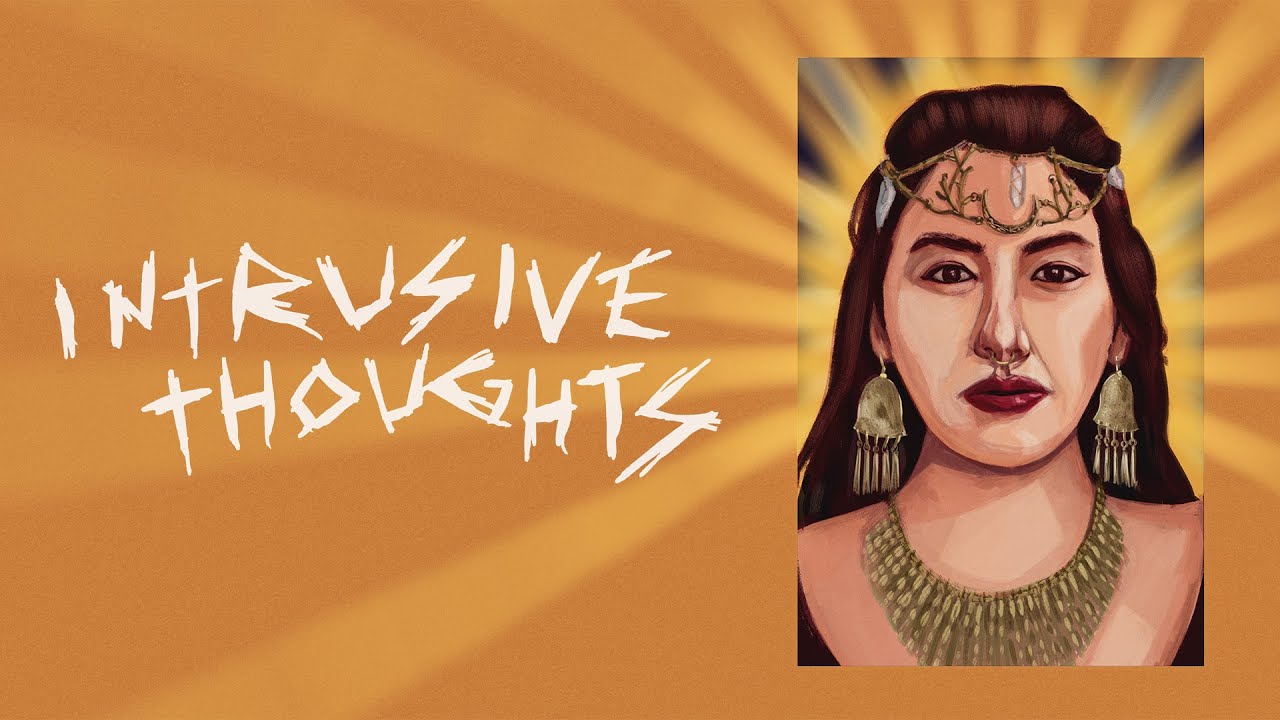


Movies: Intrusive Thoughts (2026) by Saumene Mehrdady: When mumblecore revival meets therapist-patient ethical collapse in post-breakup haze
- dailyentertainment95
- 2 hours ago
- 16 min read
Summary of the Movie: Micro-budget indie dramatizes creative precarity and professional boundary dissolution
Freestyle Digital Media acquires Saumene Mehrdady's feature directorial debut—84-minute "mumblecore drama" following struggling filmmaker Gabe through post-breakup week while therapist Dr. Martha succumbs to unethical temptation during sessions. Three intersecting crises: creative devaluation (filmmaker questioning pursuit), romantic disconnection (transactional lovelessness), professional ethics erosion (therapist boundary collapse under longing). VOD-only release January 13, 2026 signals micro-budget indie distribution reality where theatrical impossibility necessitates direct digital.
Where to watch: https://www.justwatch.com/ (US)
Link IMDB: https://www.imdb.com/title/tt22187488/
About movie: https://www.hbhk.tv/
Movie plot: Filmmaker Gabe Torres spends awkward week moving out after breaking up with girlfriend Sasha Khosravi. During therapy sessions processing breakup, Gabe contemplates abandoning filmmaking dreams. Therapist Dr. Martha, experiencing own professional/personal dissonance, crosses ethical boundaries developing inappropriate attraction to patient. Parallel narratives: Gabe's identity crisis (creative pursuit viability) mirrors Sasha's identity grappling (post-relationship self-discovery) while Dr. Martha's ethical collapse embodies systemic professional loneliness under transactional culture pressures.
Movie trend: Mumblecore revival via VOD—2000s indie aesthetic (naturalistic dialogue, improvisation emphasis, low-budget authenticity) returns through digital distribution eliminating theatrical gatekeeping that historically limited micro-budget reach.
Social trend: Creative precarity normalization—artists questioning viability of creative pursuit in culture "increasingly devaluing it" while simultaneously experiencing romantic relationships becoming "increasingly loveless and transactional" per director's statement. Professional ethics blur under "weight of longing" when institutional structures fail emotional needs.
Director's authorship: Mehrdady (prior work: Tehrangeles 2020, Wobble Palace producer 2018) applies observational cinema principles—naturalism, improvisation, character-driven focus—to explore "desire, doubt, and the things we do when we're afraid of being unseen." Thematic consistency: Iranian diaspora perspectives, relationship dynamics, creative community struggles.
Casting: Non-professional or emerging actors (Alexander Morales as Gabe, Sarah Chang Tadayon as Sasha, Angela Barber as Dr. Martha) provide authenticity over marquee recognition—mumblecore tradition prioritizing naturalistic performance. Persian surnames (Sasha Khosravi, Tadayon, Fredotti, Asadirad family members) suggest cultural specificity within indie diaspora storytelling.
Awards and recognition: None anticipated—micro-budget VOD release bypasses festival circuit traditional path. Freestyle Digital Media acquisition indicates distributor confidence in niche appeal without mainstream validation requirement. Success measured by VOD performance, critical blog attention, indie filmmaker community reception rather than institutional awards.
Release and availability: VOD-only January 13, 2026 via Freestyle Digital Media (Byron Allen's Allen Media Group digital distribution arm). Available rent/own across North American digital platforms plus DVD. No theatrical release—budget scale ($10K-$50K estimated typical mumblecore range) prohibits theatrical viability. Produced by HBHK, Mehrdad Sarlak, Joel Villegas Saldaña.
Insights: Micro-budget mumblecore persists via VOD infrastructure enabling distribution impossible theatrically, allowing hyper-personal indie voices reaching niche audiences without gatekeeping.
Industry Insight: VOD democratizes micro-budget access—Freestyle acquisition permits films too niche for theatrical to find audiences directly, eliminating marketing costs and exhibitor revenue share making sub-$100K budgets economically invisible to traditional distribution. Consumer Insight: Niche audiences actively seek authentic personal storytelling unavailable mainstream—micro-budget naturalism provides intimacy (struggling filmmaker, diaspora context, therapist dynamics) generic studio product cannot replicate. Brand Insight: "Mumblecore drama" label signals production aesthetic and thematic expectations to initiated audiences—describes filmmaking approach while communicating cultural positioning attracting target demographic predisposed toward observational cinema's emotional honesty.
Mehrdady's Intrusive Thoughts represents mumblecore's third wave—neither 2005 SXSW origin nor 2010s Duplass Brothers mainstream crossover but 2020s VOD-sustained micro-budget persistence where digital distribution permits radically personal indie voices existing permanently outside theatrical viability.
Why It Is Trending: Micro-budget VOD proves indie survival while therapist ethics collapse resonates post-pandemic
Film "trends" micro-scale—no mainstream visibility but generates conversation within indie filmmaker communities, criticism blogs, VOD algorithms. Trending emerges from: (1) Therapist boundary violation taps post-pandemic mental healthcare commodification anxieties. (2) Creative precarity resonates with artists questioning viability. (3) VOD-only release demonstrates indie survival model when theatrical collapses for sub-$100K productions.
Therapist ethics premise timeliness: Dr. Martha's boundary dissolution mirrors post-2020 mental healthcare system strain—therapist burnout, professional isolation, ethical fatigue as demand surged while support structures weakened. Film externalizes systemic crisis through individual collapse: therapist crossing boundaries reflects broader professional-personal boundary erosion when caregivers receive inadequate care.
Creative precarity universality: Gabe's filmmaker identity crisis—"whether or not to give up on the dream"—speaks to creative class economic anxiety where cultural production increasingly devalued despite content consumption proliferation. Artists questioning viability resonates across creative disciplines experiencing platform exploitation, AI displacement threats, economic precarity normalizing abandonment of creative pursuit for survival income.
VOD distribution model visibility: Freestyle Digital Media acquisition demonstrates micro-budget indie survival path—VOD provides distribution when theatrical economically impossible. Film's existence proves model viability: complete production, secure distribution, reach audience without theatrical requirement. Other micro-budget filmmakers study case as template for navigating post-theatrical indie landscape.
Mumblecore nostalgia cycle: 2025-2026 marks 20+ years since SXSW 2005 mumblecore emergence—anniversary timing creates retrospective interest in aesthetic's persistence. Younger filmmakers discovering movement through streaming platforms encounter contemporary examples like Intrusive Thoughts, perceiving continuity between 2000s origins and current practice as validation that low-budget naturalism remains viable creative path.
Insights: Intrusive Thoughts trends micro-scale through thematic resonance (therapist ethics, creative precarity) and distribution model validation rather than mainstream visibility.
Industry Insight: Micro-budget "success" redefines post-theatrical—film achieves completion, distribution, audience access without theatrical release, proving VOD eliminates gatekeeping bottleneck historically preventing micro-budget films reaching audiences beyond festivals. Consumer Insight: Post-pandemic audiences demonstrate increased receptivity to mental healthcare system critique—therapist boundary violation premise resonates as metaphor for institutional care failures, viewers processing own therapy experiences connect to Dr. Martha's collapse. Brand Insight: "Struggling filmmaker" protagonist functions as creative class proxy—Gabe's identity crisis allows filmmakers/artists/writers to process own precarity vicariously while micro-budget aesthetic reinforces authenticity as film made by people living depicted precarity.
Intrusive Thoughts trends within indie ecosystem through thematic specificity (therapist ethics, creative abandonment) and distribution model exemplification (VOD-only viability) rather than mainstream breakthrough—micro-scale success validates continued mumblecore practice for emerging filmmakers seeking distribution path outside theatrical impossibility.
What Movie Trend Is Followed: Mumblecore persistence via VOD enabling micro-budget naturalism 20+ years post-movement
Intrusive Thoughts exemplifies mumblecore's third-wave evolution: aesthetic persistence through distribution infrastructure transformation. Movement survived theatrical collapse by migrating to VOD where economic viability exists at micro-budget scale impossible theatrically. Trend isn't revival but continuation—aesthetic never disappeared, simply became invisible theatrically while thriving digitally.
VOD as micro-budget lifeline: Digital distribution eliminates theatrical gatekeeping—platforms accept content theatrical exhibition economically rejects. Intrusive Thoughts exists because VOD provides distribution path: complete film, secure Freestyle acquisition, reach audiences without requiring theatrical marketing budgets ($50K+ minimum) that exceed production costs. VOD infrastructure sustains micro-budget production by decoupling distribution access from theatrical viability.
Naturalistic performance aesthetic: Non-professional or emerging actors, improvised or improvisational-feeling dialogue, handheld cinematography, location shooting, minimal lighting—mumblecore's 2005 aesthetic conventions persist because they're budget-driven necessities not stylistic affectations. Intrusive Thoughts naturalism emerges from micro-budget constraints: friends as actors, available locations, natural light, minimal crew. Economic necessity creates aesthetic identity.
Relationship focus over plot mechanics: Mumblecore's character-driven, dialogue-heavy, plot-minimal approach continues—Intrusive Thoughts premise (breakup processing, therapist attraction) provides framework for observing relationship dynamics rather than narrative propulsion. Genre prioritizes how people interact over what happens to them, making micro-budget limitation (can't afford action/spectacle) into aesthetic strength (intimacy and observation as primary values).
Creative class self-examination: Mumblecore's 2000s focus (post-college aimlessness, creative pursuit ambivalence, relationship navigation) persists updated for 2020s economic precarity—Gabe's filmmaker identity crisis reflects cultural production devaluation while Dr. Martha's professional ethics erosion shows institutional systems failing individuals. Self-reflexivity inherent: filmmakers making films about filmmakers questioning filmmaking viability.
Insights: Mumblecore persists not as revival but continuation—aesthetic survived theatrical collapse by migrating to VOD where micro-budget economics permit radical personalism impossible under theatrical distribution.
Industry Insight: VOD infrastructure created parallel indie ecosystem operating outside theatrical where micro-budget films ($10K-$100K) find distribution based on VOD economics—narrow niche sufficient at minimal cost base versus theatrical requiring broad appeal for marketing recoupment. Consumer Insight: Audiences seeking authenticity gravitate toward micro-budget naturalism over studio polish—mumblecore aesthetic signals "real people making personal work" versus manufactured product, communicating intimacy that attracts viewers exhausted by algorithmic content. Brand Insight: Mumblecore label functions as discovery mechanism for niche audience—genre term communicates aesthetic expectations and cultural positioning allowing target demographic to self-select for specific experience unavailable mainstream.
Intrusive Thoughts follows micro-budget indie persistence trend where mumblecore aesthetic survives by adapting distribution model—theatrical impossibility becomes irrelevant when VOD provides direct audience access, allowing hyper-personal work existing at scale too small for theatrical viability but sustainable digitally.
Director's Vision: Personal dissonance trilogy examining creative devaluation, transactional relationships, ethics erosion
Mehrdady's statement: "three dimensions of dissonance—to be creative in a culture that's been increasingly devaluing it, to be a lover in an increasingly loveless and transactional world, and the struggle to unblur one's professional ethics under the weight of longing." Vision examines systemic failures through intimate character study—macro cultural shifts manifest in micro personal crises.
Creative devaluation as identity crisis: Gabe's contemplation abandoning filmmaking externalizes precarity pressure—culture consumes content voraciously while economically devaluing creative labor. Mehrdady frames as existential question: persist creating despite devaluation or surrender to economic pressure? Autobiographical dimension implicit: director making film about filmmaker questioning filmmaking reflects recursive self-examination common to creative class.
Transactional relationship culture: Sasha's identity grappling and romantic disconnection theme explores how relationships become economic exchanges rather than emotional connections—"increasingly loveless and transactional world" per director. Film examines what remains of intimacy when everything commodifies, how people navigate genuine connection when transactional logic pervades social relations.
Professional ethics under pressure: Dr. Martha's boundary collapse embodies "struggle to unblur one's professional ethics under the weight of longing"—therapist isolation, professional detachment stress, human need conflicting with institutional role. Mehrdady presents not moral failure but systemic outcome: ethical structures assume support systems that don't exist, individuals fail when institutions provide inadequate scaffolding for emotional labor demands.
Fear of invisibility as driving force: Director describes film as "about desire, doubt, and the things we do when we're afraid of being unseen"—all three characters grapple with invisibility anxiety. Gabe fears creative work unseen/undervalued, Sasha processes post-relationship identity erasure, Dr. Martha crosses boundaries seeking recognition beyond professional role. Invisibility becomes organizing principle: how do people assert existence when cultural systems render them economically/socially/emotionally invisible?
Insights: Mehrdady's vision examines individual behavior as response to systemic pressures—characters' choices emerge from cultural conditions rather than personal moral failing.
Industry Insight: Micro-budget indie filmmaker as cultural observer documenting precarity firsthand—Mehrdady's positionality provides intimate knowledge of themes explored, as autobiographical dimension creates authenticity through lived experience where production circumstances mirror narrative content. Consumer Insight: Audiences value thematic specificity over generic narratives—premise offers particularity resonating with viewers experiencing similar pressures, as specific character crises function as entry points for audiences processing own versions of systemic dissonance. Brand Insight: Director's articulated vision becomes marketing asset for micro-budget film lacking star power—Mehrdady's statement about "three dimensions of dissonance" signals serious artistic intent elevating perception from low-budget amateur to legitimate cultural commentary.
Mehrdady's ethical stance: film doesn't judge characters' choices but examines conditions producing them—Dr. Martha's boundary violation, Gabe's creative abandonment consideration presented as understandable responses to untenable systemic pressures rather than individual moral failures.
Key Success Factors: VOD distribution access, thematic specificity, mumblecore audience cultivation
Intrusive Thoughts succeeds micro-scale if: (1) Freestyle VOD placement generates sufficient views for sustainability. (2) Indie community/criticism blogs provide cultural validation. (3) Film demonstrates continued viability of mumblecore production model. Success measured differently than mainstream—cultural impact and distribution model validation matter more than revenue magnitude.
VOD distribution as success enabler: Freestyle Digital Media acquisition provides legitimacy and access—film reaches audiences across platforms rather than languishing undistributed. At micro-budget scale, distribution itself equals success: completing production and securing release demonstrates creative persistence against economic precarity depicted in narrative. Meta-success: film about not giving up on creative dreams proves viable by existing.
Thematic resonance with target audience: Creative class, therapy-literate, relationship-focused viewers constitute niche sufficient at micro-budget scale. Film doesn't need broad appeal—narrow audience engaged deeply provides sustainable model. Therapist ethics premise, filmmaker identity crisis, post-breakup processing speak specifically to educated urban millennials/Gen-Z processing similar life stages and systemic pressures.
Mumblecore aesthetic as differentiation: Naturalistic performance, observational camera, dialogue-driven approach distinguishes from algorithm-optimized content. Audiences seeking antidote to studio polish find authenticity in micro-budget rawness. Genre conventions (long takes, improvisation, naturalistic lighting) signal artistic intent over production inadequacy, as initiated viewers read aesthetic choices as deliberate rather than constrained.
Micro-budget sustainability demonstration: Production completion at minimal budget proves model viability—other emerging filmmakers study Intrusive Thoughts as case study for navigating post-theatrical indie landscape. If film demonstrates VOD revenue sustainability at micro-budget scale, validates continued mumblecore practice for creative class unable to access traditional financing.
Insights: Success for micro-budget indie redefines—distribution access, cultural conversation within niche, production model validation matter more than revenue magnitude.
Industry Insight: VOD economics permit sustainability at micro-budget scale where narrow niche audience sufficient for profitability when production costs minimal—estimated $10K-$50K budget requires orders of magnitude less revenue than theatrical to recoup. Consumer Insight: Niche audiences value specificity over broad appeal—viewers seeking therapist ethics exploration, creative precarity examination constitute sufficient market at micro-budget scale, as algorithmic recommendation provides discovery replacing theatrical marketing. Brand Insight: Micro-budget film's success validates production model for emerging filmmakers—demonstrates completion-to-distribution path achievable outside studio system, creating permission structure for continued mumblecore practice despite economic precarity.
Intrusive Thoughts succeeds by demonstrating micro-budget indie viability post-theatrical collapse—completing production, securing distribution, reaching niche audience without theatrical requirement validates continued mumblecore practice as sustainable creative path despite cultural devaluation depicted in narrative.
Trends 2026: Micro-budget VOD sustainability, creative precarity documentation, mental healthcare critique
Intrusive Thoughts crystallizes 2026 micro-budget trends: (1) VOD as primary distribution for sub-$100K productions. (2) Creative precarity as dominant theme—filmmakers documenting own economic anxiety. (3) Mental healthcare system strain examination via therapist burnout, boundary collapse. (4) Mumblecore aesthetic persistence 20+ years post-origin through production method continuity.
VOD-only release normalization: Theatrical bypass no longer stigma for micro-budget—Intrusive Thoughts goes direct-to-VOD by necessity not failure, as sub-$100K budget makes theatrical economically impossible regardless of quality. Trend reflects theatrical collapse for anything except tentpole/specialty prestige: middle disappears leaving blockbuster theatrical vs everything-else VOD bifurcation.
Creative class self-documentation: Filmmakers increasingly make films about filmmaking precarity—Intrusive Thoughts' struggling filmmaker protagonist joins wave of creative-class self-examination where artists process economic anxiety through work depicting economic anxiety. Recursive loop: precarious conditions make art about precarity because lived experience provides material while economic pressure demands low-budget production limiting subject matter to immediate surroundings.
Mental healthcare commodification critique: Therapist Dr. Martha's boundary collapse examines care work under capitalism—professional ethics erode when caregivers inadequately supported, human needs conflict with institutional roles, emotional labor commercializes. Intrusive Thoughts part of broader cultural reckoning with mental healthcare accessibility, therapist burnout, treatment commodification following pandemic-driven demand surge.
Mumblecore continuity via young filmmaker adoption: Movement persists not through original practitioners (many crossed to mainstream: Duplass Brothers, Greta Gerwig, Lynn Shelton before death) but emerging filmmakers adopting aesthetic for budget/philosophical reasons. Intrusive Thoughts represents generational handoff: Mehrdady (born circa 1985-1990 estimated) applies 2005 SXSW aesthetic to contemporary themes, demonstrating form's continued utility for micro-budget naturalism.
Iranian diaspora indie representation: Film's Persian-American context (Sasha Khosravi character, Tadayon/Asadirad cast members, Mehrdady director) reflects micro-budget indie's capacity for cultural specificity impossible in mainstream—niche stories about specific diaspora communities economically viable only at minimal budget scale where narrow audience sufficient.
Insights: 2026 micro-budget indie landscape characterized by VOD-only distribution, creative precarity thematics, mental healthcare critique, and mumblecore aesthetic persistence among emerging filmmakers.
Industry Insight: Theatrical market bifurcation leaves micro-budget entirely in VOD where economics permit profitability at minimal scale—theatrical increasingly reserved for $50M+ tentpoles, leaving micro-budget dependent on VOD where different revenue thresholds create sustainable niche economies. Consumer Insight: Audiences increasingly comfortable discovering indie via VOD without theatrical validation—viewers understand theatrical access reflects economic calculation not quality judgment, making VOD-only micro-budget accessible without stigma. Brand Insight: Mumblecore aesthetic persists because production constraints remain constant—affordable cameras, editing software, location access still enable micro-budget naturalism in 2026 as 2005, appealing to filmmakers facing identical budget limitations and audiences valuing authenticity.
2026 micro-budget indie trends cluster around distribution infrastructure (VOD-only), thematic concerns (creative precarity, mental healthcare strain), and aesthetic continuity (mumblecore naturalism)—Intrusive Thoughts exemplifies convergence where form, distribution, and content align around micro-budget sustainability post-theatrical.
Social Trends 2026: Creative precarity acceptance, professional boundary erosion, relationship commodification
Intrusive Thoughts' three dimensions—creative work devaluation, transactional relationships, professional ethics pressure—tap broader trends around labor precarity, institutional failure, emotional commodification. Film externalizes collective anxieties through intimate character study: Gabe's creative crisis, Dr. Martha's boundary collapse, Sasha's identity grappling represent individualized experiences of systemic conditions.
Creative class economic precarity normalization: Gabe's contemplation abandoning filmmaking reflects widespread creative worker experience—passion work economically unsustainable despite cultural content consumption proliferation. Artists increasingly forced choose between creative pursuit and economic survival, as cultural production devaluation makes creative careers viable only for financially privileged or willing to accept permanent precarity. Trend: creative abandonment becoming normalized life stage rather than personal failure.
Professional-personal boundary dissolution: Dr. Martha's ethical collapse manifests broader trend of work-life boundary erosion—remote work, always-on digital connectivity, emotional labor intensification blur professional detachment once protecting workers from burnout. Therapists, teachers, caregivers experiencing unprecedented boundary pressure as institutional support inadequate while demand increases. Trend: professional ethics erode systemically not individually when structures fail supporting workers.
Relationship transactionalization: Film's examination of "increasingly loveless and transactional world" speaks to dating app culture, relationship market logic, emotional connection commodification. Romance adopts economic exchange frameworks (cost-benefit analysis, option maximization, efficiency optimization) making genuine intimacy increasingly difficult to achieve or sustain. Trend: relationships mirror market transactions as economic logic colonizes intimate life.
Mental healthcare system strain visibility: Therapist burnout, treatment access limitations, care commodification become culturally visible post-pandemic—system strain produces ethical failures (boundary violations), access barriers (cost prohibitions), quality degradation (session time pressure). Dr. Martha's collapse symptom not cause: inadequate systemic support for care workers plus commercialized healthcare structure creates conditions producing individual failures.
Insights: Intrusive Thoughts diagnoses social conditions through character case studies—individual behaviors emerge from systemic pressures rather than personal moral failing.
Industry Insight: Creative workers documenting own precarity through cultural production creates recursive cycle—artists make work about economic anxiety because lived experience provides material while budget constraints limit subject matter to immediate surroundings. Consumer Insight: Audiences use micro-budget indie for processing personal experiences unavailable in mainstream content—film's specificity provides frameworks for viewers navigating similar situations, as observational naturalism permits identification. Brand Insight: Thematic specificity attracts niche audiences sufficient at micro-budget scale—film doesn't need mass appeal when production costs minimal, allowing radical particularity targeting specific demographics constituting viable micro-market.
Final Social Insight: Intrusive Thoughts functions as cultural documentation of 2020s precarity conditions—film captures moment when creative work devaluation, professional ethics pressure, and relationship commodification converge producing widespread existential crises that micro-budget indie cinema uniquely positioned to examine through intimate observational study.
Final Verdict: Micro-budget persistence validates mumblecore continuity via VOD enabling radical personalism
Intrusive Thoughts represents micro-budget indie's post-theatrical survival—VOD distribution permits films operating at scale impossible theatrically to reach audiences. Success measured by existence and cultural conversation within niche rather than mainstream visibility. Mehrdady's thematic ambitions rendered through mumblecore naturalism demonstrate continued viability of low-budget observational cinema for examining contemporary precarity.
Meaning crystallization: Film asks what remains of creative pursuit, romantic intimacy, professional ethics when systemic pressures (economic devaluation, commodification logic, institutional inadequacy) erode foundations supporting each—characters grapple with whether persistence possible or abandonment inevitable when cultural conditions make sustainability untenable.
Cultural relevance: Post-pandemic precarity acceleration makes film's themes immediately resonant—creative class economic anxiety, mental healthcare system strain, relationship commodification affect broad populations experiencing conditions Intrusive Thoughts examines through character particularity. Timing positions film as documentary of contemporary moment when systemic pressures reach critical visibility.
Endurance factors: Micro-budget aesthetic and thematic specificity may limit long-term replay value outside niche—naturalistic performance, observational pacing, dialogue-heavy focus appeal primarily to initiated mumblecore audiences rather than general viewers. However, cultural documentation value persists: film captures 2020s precarity moment through intimate study, providing future historical insight into contemporary conditions.
Legacy positioning: Success validates continued mumblecore practice for emerging filmmakers—Intrusive Thoughts demonstrates completion-to-distribution path achievable at micro-budget scale via VOD infrastructure, creating template for others pursuing similar production model. Cultural legacy less about individual film's impact than contribution to ongoing micro-budget indie ecosystem proving alternative production/distribution viability.
Insights: Intrusive Thoughts' value lies in demonstrating micro-budget indie sustainability post-theatrical through VOD distribution and thematic examination of contemporary precarity via mumblecore naturalism.
Industry Insight: Film validates VOD-only distribution model for micro-budget where theatrical bypass necessity not failure—achieves sustainability at budget scale requiring orders of magnitude less revenue than theatrical, proving parallel indie ecosystem operates entirely digitally. Consumer Insight: Niche audiences sustain micro-budget indie through VOD consumption—viewers seeking authentic personal storytelling constitute sufficient market at minimal production cost, as algorithmic discovery provides audience access replacing theatrical marketing. Brand Insight: Mumblecore persistence validates aesthetic's continued utility for emerging filmmakers—production constraints remain identical 2026 to 2005, meaning naturalistic approach still solves same problems while attracting audiences valuing authenticity.
Intrusive Thoughts succeeds by existing and reaching intended audience via VOD distribution—micro-budget indie's post-theatrical survival depends on infrastructure permitting narrow niche sustainability rather than broad commercial appeal, as Mehrdady's completion and Freestyle acquisition validate continued viability of mumblecore production model for examining contemporary precarity through intimate observational study.
Trends Summary: Micro-budget VOD ecosystem, creative precarity documentation, mumblecore persistence
Three synthesis strands: (1) Distribution infrastructure—VOD provides sustainable path for micro-budget indie previously excluded by theatrical. (2) Thematic clustering—creative class films examining own economic precarity. (3) Aesthetic continuity—mumblecore naturalism persists 20+ years via emerging filmmaker adoption.
Conceptual/Systemic: VOD distribution decouples micro-budget indie from theatrical gatekeeping—Intrusive Thoughts exists because digital infrastructure permits minimal-cost distribution reaching niche audiences sufficient for sustainability at micro-budget scale, creating parallel ecosystem where theatrical viability irrelevant as VOD economics operate on different thresholds allowing radical personalism impossible under theatrical requirements.
Cultural resonance: Creative precarity, professional burnout, relationship commodification themes resonate broadly across populations experiencing similar systemic pressures—Intrusive Thoughts' character specificity provides entry points for audiences processing own versions of conditions depicted, as therapist boundary collapse, filmmaker identity crisis, post-breakup processing function as recognizable frameworks for contemporary anxiety.
Industry mechanics: Freestyle Digital Media's VOD acquisition model provides distribution path for micro-budget films—distributor accepts content theatrical exhibition economically rejects, profits from niche VOD performance where narrow audience sufficient at minimal cost base, creates sustainable ecosystem where micro-budget production continues because distribution access guaranteed regardless of theatrical viability.
Audience behavior: Initiated indie viewers actively seek micro-budget naturalism via VOD platforms—audiences understanding mumblecore aesthetic conventions and thematic concerns constitute sufficient market, as discovery through algorithmic recommendation, film criticism blogs, social media word-of-mouth replaces theatrical marketing providing targeted audience access without mass-market positioning costs.
Trends Table
Trend Name | Description | Implications |
VOD-Only Micro-Budget Distribution | Theatrical bypass necessity for sub-$100K productions. Intrusive Thoughts direct-to-VOD via Freestyle Digital Media. | Micro-budget indie operates entirely outside theatrical where VOD economics permit sustainability at minimal scale—distribution infrastructure enables continued production by providing audience access without theatrical gatekeeping requiring minimum commercial viability. |
Creative Precarity Self-Documentation | Filmmakers making films about creative class economic anxiety. Gabe's filmmaker identity crisis mirrors director's context. | Artists process own precarity through cultural production—budget constraints limit subject matter to immediate surroundings while lived experience provides authentic material, creating wave of self-reflexive content examining contemporary creative class conditions. |
Mumblecore Third-Wave Persistence | Naturalistic aesthetic continues via emerging filmmaker adoption. Intrusive Thoughts applies 2005 SXSW conventions to 2026 themes. | Production constraints remain constant (minimal budget, digital cameras, available resources) making mumblecore approach still viable for emerging filmmakers while philosophical commitment to naturalism attracts audiences valuing authenticity over polish. |
Mental Healthcare System Critique | Therapist boundary collapse examining care work strain. Dr. Martha's ethics erosion symptom of institutional inadequacy. | Post-pandemic mental healthcare reckoning produces cultural content examining system failures—therapist burnout, commodification pressure, access barriers become visible through narratives diagnosing conditions rather than judging individual failures. |
Diaspora Micro-Budget Specificity | Iranian-American context via character names, cast, director. Cultural particularity viable only at minimal budget scale. | Micro-budget permits radical cultural specificity impossible mainstream—niche diaspora stories economically sustainable when production costs minimal, as narrow audience sufficient for VOD profitability while providing representation unavailable commercial media. |
Insights: Intrusive Thoughts crystallizes micro-budget indie's post-theatrical reality—VOD distribution, creative precarity thematics, mumblecore aesthetic persistence converge creating sustainable niche ecosystem.
Industry Insight: VOD infrastructure transformed micro-budget indie economics by providing distribution path previously nonexistent—Freestyle model demonstrates viability where minimal spend justified by niche VOD performance, as narrow audience sufficient when production costs $10K-$50K versus theatrical requiring minimum $100K+ scale. Consumer Insight: Niche audiences value specificity and authenticity unavailable mainstream—viewers seeking therapist ethics exploration, creative precarity examination constitute sustainable micro-market discovered through VOD algorithms and indie community word-of-mouth. Brand Insight: "Mumblecore drama" label functions as discovery and positioning mechanism—genre term signals production aesthetic, thematic concerns, and cultural positioning, allowing target demographic recognizing conventions to self-select while communicating artistic intent.
Two concluding truths: (1) Intrusive Thoughts validates micro-budget indie viability post-theatrical through VOD distribution providing sustainable path when theatrical economically impossible—film demonstrates completion-to-distribution achievable at minimal scale, creating template for emerging filmmakers. (2) Mumblecore aesthetic persists not as nostalgic revival but continued utility—production constraints identical 2026 to 2005 mean naturalistic approach still solves same problems while attracting audiences valuing authenticity, ensuring micro-budget observational cinema's ongoing viability for examining contemporary precarity conditions through intimate character study.