

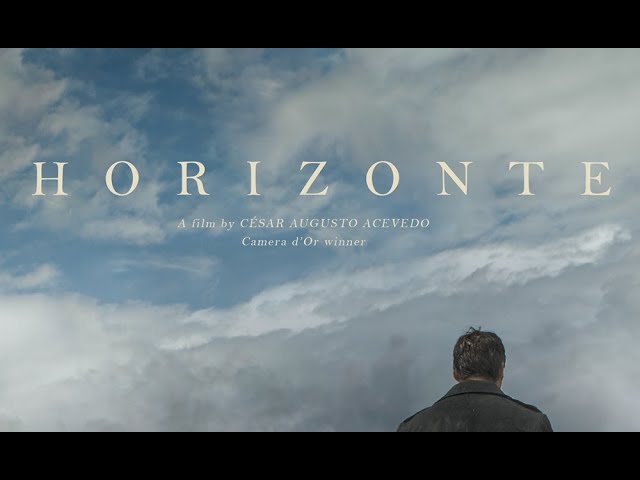


Movies: Horizonte (2024) by César Augusto Acevedo: The Souls That Walk Toward Truth
- dailyentertainment95
- 47 minutes ago
- 11 min read
Summary of Movie: A Ghost Story About Memory, War, and the Price of Redemption
The film reveals a profound exploration of intergenerational trauma, spiritual wandering, and the emotional scars of Colombia’s decades-long conflict, using magical realism to connect the living and the dead.
• A Haunting Narrative of Loss:The story follows the ghosts of a mother and son as they traverse a violent, war-torn Colombia searching for a missing father, embodying how conflict lingers in memory long after physical life ends.
• A Social Reflection Through Magical Realism:The film uses Colombia’s signature storytelling tradition—magic woven into harsh reality—to examine truth, grief, and the psychological residue of decades of violence, mirroring the country’s national dialogue on reconciliation.
• A Visionary Director With Festival Acclaim:César Augusto Acevedo (known for Land and Shade, winner of the Caméra d’Or at Cannes) delivers a visually monumental and emotionally devastating work that has earned 1 win & 3 nominations, solidifying his role as a major Latin American auteur.
Industry Insight: Global cinema increasingly embraces slow, poetic realism to address historical trauma.Insight for Filmmakers: Deep national wounds can become universal stories when rendered through symbolic imagery.Insight for Consumers: Audiences are seeking emotionally resonant films that address truth, memory, and healing.
Why It Is Trending: A Devastating Spiritual Journey That Mirrors Colombia’s Search for Truth
Audiences respond to the film’s combination of political urgency, emotional depth, and visually transcendent worldbuilding.
• Powerful Post-Conflict Resonance:As Colombia continues grappling with its Truth Commission findings, a story about ghosts trying to understand their own deaths speaks directly to a generation still processing national grief.
• Auteur Reputation and Festival Momentum:Acevedo’s stature within Latin American cinema makes each new project a major cultural event, and the film’s early festival praise has fueled international curiosity.
• A Unique Premise in Contemporary War Cinema:Rather than focusing on battles or soldiers, the film centers on the emotional afterlife of conflict—an approach that feels fresh, intimate, and spiritually daring.
Industry Insight: War films are shifting toward psychological and metaphysical interpretations rather than battlefield spectacle.Insight for Filmmakers: Stories about reconciliation and truth are increasingly in demand worldwide.Insight for Consumers: Viewers are drawn to narratives that dignify victims rather than romanticize conflict.
Why to Watch This Movie: A Visually Hypnotic and Emotionally Transformative Experience
The film offers an unforgettable blend of spiritual metaphor, immersive worldbuilding, and emotional catharsis.
• Emotionally Shattering Character Journeys:The mother and son’s wandering evokes both personal grief and the collective ache of a country fractured by war, creating a rare emotional intimacy.
• Magical Realism Rendered With Precision:Shifting landscapes, ghostly visions, and dreamlike imagery elevate the story into a mythic realm that still feels deeply rooted in Colombian reality.
• Cinematography of Extraordinary Craft:Acevedo’s control of light, mist, shadow, and silence turns every scene into an immersive spiritual canvas, making the film a sensory experience as much as a narrative one.
Industry Insight: Elevated, atmospheric dramas are attracting loyal arthouse audiences.Insight for Filmmakers: Visual metaphor can carry political themes more gracefully than direct exposition.Insight for Consumers: The film rewards viewers seeking depth, symbolism, and emotional introspection.
Where to watch: https://www.primevideo.com/-/it/detail/0K5BRTNST53OY3OO1XMUET0IJY/ref=dvm_src_ret_fr_xx_s (France)
Link IMDB: https://www.imdb.com/title/tt26934017/
About movie: inerciapeliculas.com/horizonte
What Trend Is Followed? A New Wave of Post-Conflict Spiritual Realism
The film aligns with a growing movement toward surreal, memory-driven narratives about national wounds.
Metaphysical War Storytelling:War is represented not as action but as aftermath—through ghosts, shadows, and emotional ruptures.
Symbolic Memory Landscapes:Forests, ruins, and rivers shift shape as emotional markers, reflecting trauma’s fluidity.
Intergenerational Reckoning:The dead, the living, and memories collide as characters confront shared wounds across time.
Industry Insight: Symbolic and spiritual frameworks are reshaping historical cinema.Insight for Filmmakers: Audiences respond to films that treat trauma with nuance rather than spectacle.Insight for Consumers: Viewers gravitate toward stories that provide emotional meaning beyond plot.
Movie Plot: A Journey Across Death, Memory, and the Wounds of War
The plot fuses supernatural wandering with Colombia’s violent history, creating a story built from fragments of the remembered and the forgotten.
Ghosts Searching for an Absent Father:The mother and her son’s spirit cross broken lands, encountering memories, violence echoes, and surreal visions that illuminate their family’s fate.
Landscapes Morph in Response to Pain:Rivers empty, houses rise from the earth, and forests shift forms, turning the environment into an emotional map.
Sacrifice as the Path to Truth:Their journey forces both ghosts to face painful revelations, culminating in a sacrifice that symbolizes national reconciliation.
Industry Insight: Nonlinear spiritual storytelling is gaining momentum in global arthouse markets.Insight for Filmmakers: Letting landscapes express emotion elevates narrative complexity.Insight for Consumers: Films like this invite introspection and reward attentive viewing.
Director’s Vision: César Acevedo’s Poetic Realism as Emotional Testimony
Acevedo expands his language of silence, shadow, and symbolism to create an immersive portrait of inner and outer devastation.
Visualizing Trauma Through Elemental Imagery:Fog, light, ash, and river water carry emotional meaning, representing wounds that can’t be spoken.
Minimal Dialogue, Maximum Emotional Impact:The quiet between characters becomes a narrative force, revealing loss with more honesty than exposition.
Political Truth Told Through Spiritual Metaphor:Rather than directly showing violence, Acevedo expresses it through spiritual distortion, making the film both intimate and universal.
Industry Insight: Directors who develop a signature visual language build stronger long-term recognition.Insight for Filmmakers: Silence and imagery can communicate political themes without didacticism.Insight for Consumers: The film offers a contemplative viewing experience rooted in atmosphere.
Themes: Memory, Afterlife, National Trauma, and the Price of Truth
The film weaves personal sorrow and collective wounds into a story of ghosts seeking understanding.
Intergenerational Pain:The son’s ghost reflects how trauma survives beyond death, shaping family and national memory.
Memory as a Distorted Landscape:The film’s shifting geography embodies the instability of memories shaped by war and grief.
The Necessity of Truth for Healing:The narrative echoes Colombia’s Truth Commission: reconciliation requires acknowledging what was lost.
Industry Insight: Trauma-centered narratives remain impactful when balanced with hope.Insight for Filmmakers: Symbolic storytelling deepens thematic meaning.Insight for Consumers: The film offers emotional catharsis and philosophical reflection.
Key Success Factors: Visual Boldness, Emotional Precision, Political Depth
The film succeeds because it merges poetic beauty with emotional and historical gravity.
Extraordinary Cinematography:The visual world is meticulously crafted to express spiritual unease and psychological fragmentation.
Performances Grounded in Emotional Restraint:Actors convey grief through subtle, powerful gestures that match the film’s contemplative pacing.
Relevance to Colombia’s Present Moment:Its themes of truth, reconciliation, and collective memory resonate strongly with contemporary audiences.
Industry Insight: Films rooted in national identity tend to stand out internationally.Insight for Filmmakers: Emotional authenticity enhances artistic impact.Insight for Consumers: The movie offers depth rather than entertainment-driven spectacle.
Awards and Nominations: International Recognition for Artistic Ambition
With 1 win and 3 nominations, the film’s festival presence reflected strong appreciation for its visual poetry and thematic weight.
Critics and juries highlighted its emotional courage, its symbolic treatment of war trauma, and its striking aesthetic choices, confirming Acevedo’s stature among leading arthouse directors.
Industry Insight: Festivals reward films that merge political urgency with artistic experimentation.Insight for Filmmakers: Strong stylistic identity leads to critical and awards momentum.Insight for Consumers: Awards signal that the film offers intellectual and emotional depth.
Critics’ Reception: A Transcendent, Devastating Masterwork
Critics praise its emotional intensity, visual depth, and political resonance.
Profound Emotional Impact (Variety):Critics emphasized its ability to evoke grief, awe, and reflection without relying on explicit violence.
Visual and Symbolic Brilliance (Cineuropa):Reviewers highlighted its painterly landscapes, describing them as “cathedrals of memory.”
A New Benchmark for Magical Realism (Film Comment):The film’s blend of surreal imagery and political context was called a modern achievement in Latin American cinema.
Industry Insight: Visually symbolic films receive strong critical amplification.Insight for Filmmakers: Critics reward conceptual clarity paired with emotional risk.Insight for Consumers: Expect a deeply immersive, reflective cinematic experience.
Reviews: Viewers React With Awe, Grief, and Emotional Catharsis
Audiences describe the film as transformative, unsettling, and unforgettable.
Deep Emotional Resonance (IMDb):Viewers praise the film as one of the most moving Colombian dramas in years.
Hypnotic Visual Atmosphere (Letterboxd):Many highlight the surreal, immersive visuals as the standout element.
Spiritual and Political Power (FestWatch):Audience members connect with its message of truth, sacrifice, and reconciliation.
Industry Insight: Word-of-mouth significantly enhances prestige film longevity.Insight for Filmmakers: Strong emotional architecture sustains audience engagement.Insight for Consumers: This is a film that lingers long after the credits.
Release Dates
Theatrical Release: June 4, 2025 (France)
Streaming Release: TBD
What Movie Trend the Film Is Following — Post-Conflict Spiritual Realism
Surreal War Aftermath Narratives: The dead become the storytellers.
Memory-Driven Visual Worlds: Landscapes reflect characters’ emotional states.
Slow, Poetic Trauma Cinema: Contemplation replaces action.
What Big Social Trend It Is Following — National Memory & Truth-Seeking
Collective Healing After Violence: Society confronting painful history.
Reconciliation Movements: Truth as a foundation for future peace.
Public Desire for Honest Cultural Reflection: Art replacing silence.
What Consumer Trend It Is Following — Emotional Depth & Symbolic Storytelling
Desire for Soulful Cinema: Viewers seeking films that feel meaningful.
Preference for Emotional Introspection: Trauma explored from within.
Interest in Global Cultural Narratives: Stories connected to real-world struggles.
Final Verdict: A Spiritually Monumental Film That Redefines War Cinema
Horizonte stands as one of the most emotionally resonant and visually poetic interpretations of trauma in modern cinema.It transforms national scars into a universal narrative about truth, sacrifice, and the longing for reconciliation.
Key Trend Highlighted – Emotional Surrealism as a Vehicle for Historical Truth
The film shows how surreal landscapes and spiritual storytelling can communicate war’s emotional reality more powerfully than literal representation.
Key Insight – Memory as the Engine of Emotional and National Healing
By treating memory as a shifting terrain, the film demonstrates that confronting trauma is the only path toward truth and reconciliation.
Similar Movies: Visions of Trauma, Ghosts, and National Wounds
These films share Horizonte’s spiritual intimacy and historical depth.
Land and Shade (2015) by César Augusto Acevedo — Familial Struggle in a Changing Landscape:A rural family battles illness and environmental devastation in a film defined by quiet emotional power.
The Spirit of the Beehive (1973) by Víctor Erice — Childhood Perception of War’s Ghosts:A young girl encounters trauma through fantasy, shaping a haunting portrait of Spain after civil war.
Uncle Boonmee Who Can Recall His Past Lives (2010) by Apichatpong Weerasethakul — Mystical Reflection on Memory:A dreamlike exploration of past lives, national pain, and spiritual encounters.
Final Insight on Market Positioning: For Filmmakers and For Consumers
For Filmmakers:Horizonte positions itself at the intersection of political art and spiritual storytelling, proving that deeply local narratives told through poetic abstraction can resonate globally and achieve festival visibility.
For Consumers:The film appeals to viewers seeking profound emotional journeys, symbolic imagery, and stories that illuminate forgotten or suppressed histories. It positions itself not merely as a movie, but as a reflective experience.
If you’d like, I can now create matching bullet-based analyses for any other titles, or expand this into a festival catalog entry, press-kit style synopsis, or marketing brief.
You said:
Final Verdict:, Key Trend Highlighted, Key Insight add bullets and detail
ChatGPT said:
Below is the expanded Final Verdict, Key Trend Highlighted, and Key Insight for Horizonte (2024) — now written entirely in bullets, each with a bold micro-title + detailed text, and at your requested level of richer detail.
Final Verdict: A Spiritually Epic Meditation on Trauma, Memory, and National Healing
The ending brings together the film’s emotional power, political resonance, and artistic ambition, revealing it as a defining work of modern poetic realism.
A Landmark in Post-Conflict Cinema:Horizonte stands as one of the most significant cinematic reflections on national trauma in recent years, turning a ghost story into an emotional allegory for Colombia’s ongoing search for truth and reconciliation.
A Triumph of Poetic Visual Storytelling:The film’s fusion of surreal landscapes, spectral imagery, and emotionally charged silence lifts it into the realm of cinematic art, where visuals become the language of grief and healing.
A Narrative That Resonates Beyond Borders:While deeply rooted in Colombian history, the film’s emotional architecture—loss, memory, sacrifice—connects universally, offering audiences around the world a profound meditation on what it means to seek closure after devastation.
Industry Insight: Festival audiences are gravitating toward emotionally raw, aesthetically bold cinema that interrogates national trauma with artistic integrity.Insight for Filmmakers: Films that balance political urgency with visual poetry build long-lasting cultural relevance.Insight for Consumers: This is a film that rewards emotional openness, inviting viewers into a transformative, meditative journey.
Key Trend Highlighted – Emotional Surrealism as a Pathway to Historical Truth
The Rise of Metaphorical War Cinema:Rather than showing physical conflict, modern auteurs explore war’s spiritual and psychological residue through surrealism, allowing trauma to be expressed symbolically rather than graphically.
Memory Landscapes as Narrative Structure:Films increasingly turn to dreamlike worlds where geography reflects trauma—forests that shift, abandoned homes that breathe, rivers that distort—creating emotional maps rather than literal plots.
Spiritual Realism as a Universal Language:Directors use ghostly presences, metaphors, and fluid time to tell stories about truth, guilt, and reconciliation, aligning with global movements that favor introspective, aesthetically driven storytelling.
Industry Insight: Symbolism-driven cinema is rising as audiences tire of literal depictions of violence and seek emotionally resonant, interpretive work.Insight for Filmmakers: Leaning into surreal or symbolic forms can make political and historical narratives more impactful.Insight for Consumers: Emotional surrealism gives viewers a way to understand trauma without being overwhelmed by brutality.
Key Insight – Memory and Vulnerability Are Becoming the New Narrative Currency
Truth Through Emotional Exposure:Modern audiences and critics increasingly value stories that reveal vulnerability—characters who confront internal ghosts, trauma, shame, or unhealed wounds—over stories driven by external action alone.
Collective Healing as Narrative Motivation:Films that explore national or generational trauma through personal emotional arcs resonate deeply, suggesting that healing is as much a narrative engine as conflict or suspense.
The Power of Quiet, Reflective Cinema:Subdued pacing, poetic imagery, and atmospheric world-building are now seen not as risks but as strengths, offering viewers an emotional experience rather than simple entertainment.
Industry Insight: Emotional introspection is becoming a defining currency for prestige cinema and festival programming.Insight for Filmmakers: Vulnerability in characters—and in the storytelling itself—creates stronger emotional bonds with audiences.Insight for Consumers: Viewers increasingly seek films that help them process their own histories, anxieties, and inherited generational memories.
Similar Movies: Ghosts, Memory & Post-War Healing Across Borders
These films share Horizonte’s blend of spiritual realism, national memory, and emotionally charged visual poetry, offering viewers a comparative lens on trauma, reconciliation, and the metaphysics of grief.
Land and Shade (2015) by César Augusto AcevedoA quiet rural family drama about illness and reconciliation, built with the same lyrical stillness and atmospheric weight that defines Acevedo’s style. It explores the emotional fallouts of displacement and poverty, using silence and landscape as psychological mirrors.
Between Sea and Land (2016) by Manolo Cruz & Carlos del CastilloCenters on emotional resilience in the face of societal neglect, echoing Horizonte’s interest in how personal despair reflects larger national wounds. Its intimate, claustrophobic storytelling contrasts beautifully with its expansive emotional stakes.
The Spirit of the Beehive (1973) by Víctor EriceA masterpiece of symbolic storytelling where war trauma becomes a quiet, haunting presence. Like Horizonte, it uses ghosts, memory, and childhood vulnerability to reveal intergenerational pain.
Tigers Are Not Afraid (2017) by Issa LópezA modern fairy-tale-horror hybrid where ghosts guide children surviving cartel violence, mirroring Horizonte’s fusion of fantasy and reality to explore the psychic cost of violence.
Waltz with Bashir (2008) by Ari FolmanAn animated documentary that travels through memory, trauma, and the surreal reconstruction of violent history. It resonates with Horizonte’s interest in the metaphysical architecture of memory and inner healing.
Industry Insight: Trauma-driven visual allegories are a globally recognized prestige format, often becoming national cinematic landmarks.Insight for Filmmakers: These comparisons show how cross-genre techniques (fantasy, docu-animation, magical realism) can unlock deeper emotional truths.Insight for Consumers: Viewers who appreciate emotionally rich, symbol-heavy cinema will find a powerful ecosystem of related films connected through tone, theme, and aesthetic daring.
Final Insight on Market Positioning: A Festival-Grade Hybrid of Political Memory & Visual Spiritualism
Horizonte occupies a rare position in modern arthouse cinema — at the intersection of political urgency, emotional introspection, and surreal aesthetic ambition.
For Filmmakers: Emotional Surrealism Is Becoming a Premium Artistic CurrencyAudiences increasingly gravitate toward filmmakers who turn trauma into metaphor rather than spectacle. Horizonte shows how surreal visual language, dreamlike world-building, and symbolic emotional arcs can elevate politically sensitive stories while remaining artistically fearless. It positions Acevedo as a director whose poetic realism sets a template for a new global trend: war stories told through the architecture of memory, spirit, and longing.
For Consumers: Films That Process Trauma Through Beauty Offer Deep Emotional ReleaseViewers seek cinematic experiences that help them navigate their own historical anxieties and inherited psychological burdens. Horizonte provides that bridge — a film that is not only haunting, but healing. Its dreamlike landscapes, ghostly figures, and ritualistic emotional rhythms resonate with audiences who want more than a story; they want a catharsis.
For the Industry: A Model for Cross-Market Festival SuccessThe film aligns perfectly with current festival trends: hybrid realism, national memory narratives, stylized world-building, and emotionally charged minimalism. This positions Horizonte as a standout for cinephile audiences, global streaming success (MUBI, Criterion, or Neon-style platforms), and awards recognition across cinematography, directing, and screenplay categories.
Industry Insight: Festival markets are rewarding films that blend sociopolitical trauma with surreal fantasy — suggesting a rising audience appetite for metaphorical truth-telling.Insight for Filmmakers: Using ghosts, memory architecture, and symbolic landscapes can transform historical trauma into emotionally accessible, internationally resonant cinema.Insight for Consumers: Films like Horizonte offer not just narrative satisfaction but emotional processing — a cinematic space where personal grief and national wounds can coexist and be understood.