

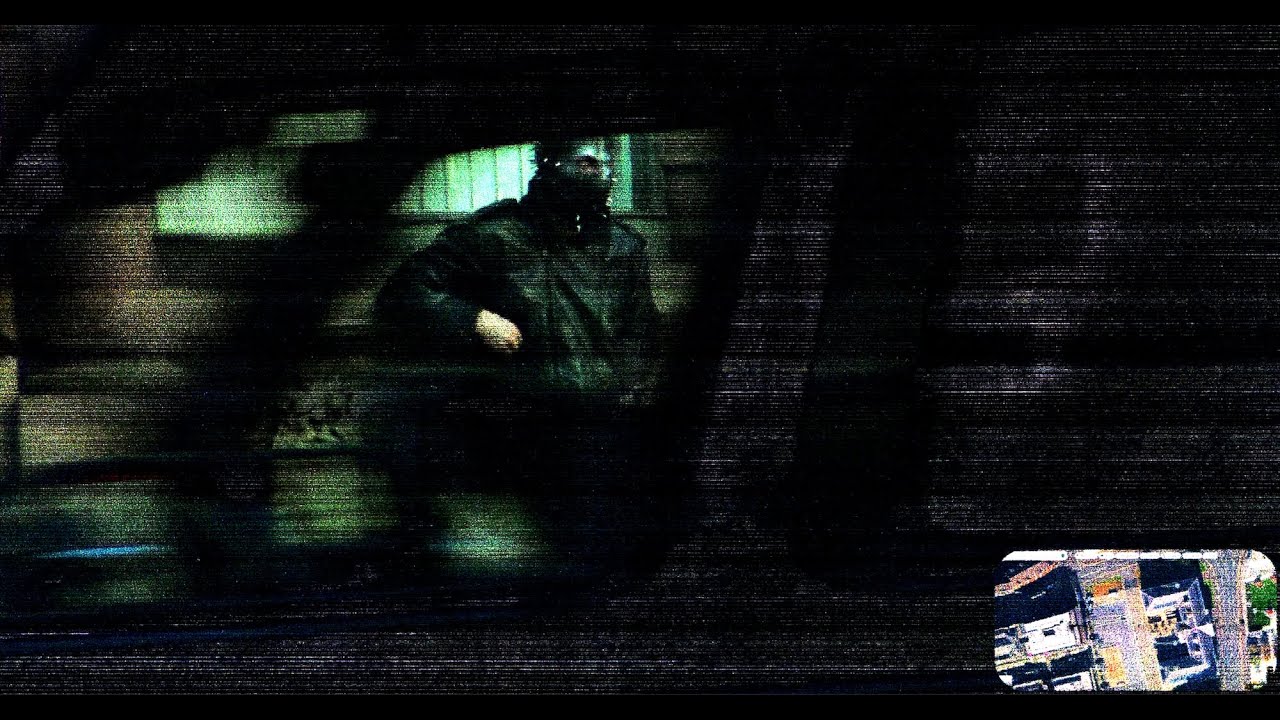


Movies: Heads or Tails? (2025) by Alessio Rigo de Righi & Matteo Zoppis: A fugitive Western where myth, desire, and violence collide across the Italian frontier
- dailyentertainment95

- 2 hours ago
- 13 min read
Summary of the Movie: A woman breaks the script written for her and pays the price of rewriting fate
The film follows Rosa, a young woman trapped in a brutal marriage, who seizes a moment of chaos to escape with Santino, the cowboy who awakens the possibility of another life. Their flight across the Italian wilderness becomes a collision between personal longing and the machinery of mythmaking, as Buffalo Bill—half showman, half historian—pursues them to protect the story he wants the world to believe. Two framing sentences define the film’s emotional core: Rosa’s escape is less a rebellion than a desperate attempt to reclaim authorship over her own life, and the pursuit that follows reveals how stories become prisons when powerful men refuse to let them change.
Where to watch: https://www.justwatch.com/it/film/testa-o-croce-2025 (Italy)
Link IMDB: https://www.imdb.com/title/tt32448429/
About movie: https://www.festival-cannes.com/en/f/testa-o-croce/
Movie plot: After a deadly rodeo exposes the violence simmering beneath spectacle, Rosa kills her abusive husband and flees with Santino, triggering a manhunt fueled by pride, vengeance, and the myth of the American West exported onto Italian soil.
Movie trend: The film belongs to the European anti‑Western revival, where frontier iconography is reinterpreted through local landscapes, moral ambiguity, and the collapse of heroic narratives.
Social trend: It reflects a cultural appetite for stories about women escaping patriarchal structures, only to discover that freedom is shaped by forces larger than desire.
Director’s authorship: Rigo de Righi and Zoppis blend ethnographic realism with folkloric tension, using landscape, silence, and ritual to create a Western that feels both ancient and newly invented.
(Top) casting: Nadia Tereszkiewicz anchors the film with a performance defined by fear, resolve, and emotional opacity, while Alessandro Borghi brings volatility and tenderness to Santino; John C. Reilly adds meta‑mythic weight as Buffalo Bill, a man chasing the story more than the fugitives.
Awards and recognition: With multiple wins and nominations, the film has been recognized for its atmospheric world‑building and its reimagining of Western grammar through Italian history.
Release and availability: A 2026 European release positions it as a festival‑driven discovery title with crossover appeal for audiences interested in revisionist genre cinema.
Insights: The film’s central finding is that myth becomes violence when it refuses to evolve, and that freedom costs more when the world insists on telling your story for you.
Industry Insight European Westerns thrive when they merge folklore with frontier iconography, grounding spectacle in cultural specificity. Consumer Insight Audiences connect with stories where escape is emotional rather than heroic, and where desire collides with systemic power. Brand Insight Positioning the film as a myth‑breaking Western strengthens its appeal to viewers seeking tension built from authenticity rather than nostalgia.
Heads or Tails? matters because it reframes the Western as a struggle between the stories we inherit and the stories we dare to rewrite.
Why It Is Trending: A European Western that rewrites myth through desire, violence, and pursuit
The film resonates now because it merges the spectacle of imported American mythology with the emotional realism of European anti‑Western storytelling, creating a hybrid that feels both familiar and newly dangerous. Its tension comes from the collision between personal longing and the machinery of narrative control, as Rosa’s escape threatens the myth Buffalo Bill has built his life upon. Two framing sentences define its cultural moment: the film captures a growing appetite for stories that dismantle inherited myths rather than celebrate them, and it reflects a broader shift toward narratives where women disrupt the scripts written by men who profit from telling them.
Concept → consequence: A fugitive romance set against the collapse of frontier mythology feels timely in a world questioning the stories that shaped its identity.
Culture → visibility: Audiences gravitate toward films where women reclaim agency not through empowerment fantasy but through messy, dangerous, emotionally costly choices.
Distribution → discovery: Festival circuits reward genre hybrids that reinterpret American iconography through local landscapes and cultural tensions.
Timing → perception: Released amid renewed interest in revisionist Westerns, the film stands out for blending folklore, spectacle, and intimate rebellion.
Insights: The film’s main finding is that myth becomes unstable when confronted by the desires of those it was never written to include.
Industry Insight European Westerns gain traction when they reinterpret frontier imagery through local history and emotional realism. Consumer Insight Viewers respond to stories where escape is fragile, desire is dangerous, and freedom is shaped by forces larger than the lovers. Brand Insight Positioning the film as a myth‑breaking pursuit story strengthens its appeal to audiences seeking tension built from authenticity rather than nostalgia.
The film’s relevance endures because it exposes the violence behind the stories we inherit and the cost of rewriting them while being chased by the men who refuse to let them change.
What Movie Trend Is Followed: A European anti‑Western that dismantles frontier myth through local history
The film belongs to the growing wave of European anti‑Westerns that reinterpret American frontier mythology through regional landscapes, folkloric tension, and the collapse of heroic narratives. It uses the Italian countryside not as a backdrop but as a counter‑myth, exposing how imported legends distort local realities and how desire becomes dangerous when filtered through someone else’s story. Two framing sentences define the trend position: the film sits within a movement where Western iconography is stripped of triumph and rebuilt around moral ambiguity, and it reflects a shift toward stories that reveal the violence behind myth rather than the glory of it.
Format lifecycle: The Western evolves into a hybrid where spectacle is replaced by ethnographic detail, emotional realism, and the instability of borrowed myths.
Aesthetic logic: Dust, ritual, and rural isolation replace frontier vastness, creating a Western defined by claustrophobia rather than expansion.
Psychological effect: Tension emerges from pursuit, guilt, and narrative control rather than duels or frontier bravado.
Genre inheritance: The film borrows the Western’s grammar but rewrites its moral code through European history, gendered power, and the fragility of desire.
Insights: The film’s main finding is that Westerns gain new relevance when they expose the cost of living inside a myth that was never meant to include you.
Industry Insight Anti‑Westerns thrive when they merge folklore with frontier imagery, grounding tension in cultural specificity rather than nostalgia. Consumer Insight Audiences respond to genre stories where danger comes from narrative collapse, emotional instability, and the pressure of being hunted. Brand Insight Positioning the film as a European re‑engineering of the Western strengthens its appeal to viewers seeking authenticity over myth.
The film’s trend alignment endures because it shows how Westerns evolve when they confront the stories they once exported, revealing the emotional and cultural fractures beneath the legend.
Director’s Vision: A myth‑breaking Western told through ritual, pursuit, and the collapse of spectacle
Rigo de Righi and Zoppis approach the film as a confrontation between lived experience and manufactured legend, using the Italian landscape to expose the fragility of stories imported from another world. Their vision blends ethnographic realism with folkloric tension, creating a Western where every gesture feels rooted in ritual and every pursuit feels shaped by the weight of history. Two framing sentences define their authorial intent: the directors treat Buffalo Bill not as a villain but as a storyteller terrified of losing control of his own myth, and they frame Rosa’s escape as an act that destabilizes the narrative architecture holding the world together.
Authorial logic: The directors build the film around the tension between spectacle and truth, letting the collapse of performance reveal the violence beneath myth.
Restraint vs escalation: Action is sparse and grounded, with danger emerging from proximity, silence, and the inevitability of pursuit rather than stylized confrontation.
Ethical distance: The camera observes characters with a folkloric detachment, allowing viewers to feel the weight of choices without moral instruction.
Consistency vs rupture: The film maintains a ritualistic tone, punctuated by moments where Rosa’s defiance fractures the mythic order Buffalo Bill is desperate to preserve.
Insights: The film’s main finding is that authorship becomes violence when storytellers refuse to let the world change, and that freedom begins where myth breaks.
Industry Insight Directors working in the anti‑Western space gain power by grounding spectacle in cultural specificity and emotional realism. Consumer Insight Viewers respond to filmmakers who dismantle inherited myths through intimate, character‑driven tension rather than genre excess. Brand Insight Positioning the film as a ritualistic, myth‑breaking Western strengthens its identity within a crowded landscape of revisionist genre cinema.
The directors’ vision endures because it transforms a fugitive romance into a meditation on who gets to tell the story of a nation, a frontier, or a life.
Key Success Factors: A myth‑breaking chase story powered by desire, landscape, and narrative collapse
The film succeeds because it aligns its emotional core with its genre logic, turning a fugitive romance into a confrontation between lived experience and the machinery of myth. Its power comes from how it merges spectacle with ethnographic detail, using the Italian wilderness to expose the instability of stories imported from another world. Two framing sentences define why it works: the film maintains a disciplined balance between folklore and Western grammar, and it delivers tension through pursuit, ritual, and emotional opacity rather than through conventional action.
Concept–culture alignment: A European anti‑Western built around myth, desire, and pursuit resonates in a moment when audiences question the stories that shaped their identity.
Execution discipline: The directors use ritual, silence, and landscape to create tension that feels grounded, intimate, and culturally specific.
Distribution logic: Festival positioning and cross‑cultural casting give the film visibility as a hybrid Western that challenges both American and European genre expectations.
Coherence over ambition: The film stays within its emotional and aesthetic limits, using atmosphere and character psychology to generate impact rather than relying on scale or spectacle.
Insights: The film’s main finding is that Westerns regain power when they expose the emotional cost of living inside a myth that refuses to evolve.
Industry Insight Films that reinterpret frontier mythology through local history and emotional realism stand out in a crowded festival landscape. Consumer Insight Audiences connect with stories where escape is fragile, desire is dangerous, and freedom is shaped by forces larger than the lovers. Brand Insight Positioning the film as a ritualistic, myth‑breaking pursuit story strengthens its identity and deepens its emotional resonance.
The film endures because it transforms a chase narrative into a meditation on authorship, desire, and the violence of inherited stories, offering a Western that feels both ancient and urgently contemporary.
Trends 2026: Westerns shift from frontier fantasy to myth‑breaking realism rooted in local history
The film aligns with emerging 2026 trends where audiences gravitate toward stories that dismantle inherited myths rather than celebrate them, especially when those myths were exported across cultures. Its hybrid form—half folklore, half anti‑Western—mirrors a broader appetite for genre that interrogates the narratives shaping identity, power, and belonging. Two framing sentences define its forward‑looking position: the film anticipates a shift toward Westerns built on emotional realism rather than spectacle, and it reflects a cultural moment where characters confront the stories that have defined them instead of reenacting them.
Cultural shift: Viewers seek narratives that expose the instability of national myths and the emotional cost of living inside them.
Audience psychology: Characters who challenge inherited stories feel more truthful in a world questioning the narratives that shaped its past.
Format evolution: Westerns tighten around realism, ritual, and pursuit, replacing frontier expansion with emotional and cultural collapse.
Meaning vs sensation: Tension emerges from narrative instability rather than stylized violence or heroic triumph.
Industry implication: Low‑budget, place‑driven Westerns gain traction as authenticity becomes a competitive advantage in festival circuits.
Insights: The film’s main finding is that Westerns regain relevance when they confront the myths they once exported and reveal the fractures beneath them.
Industry Insight Realist, myth‑breaking Westerns dominate festival landscapes as audiences seek authenticity over nostalgia. Consumer Insight Viewers respond to stories where characters challenge the narratives that define them, especially when those narratives are collapsing. Brand Insight Positioning the film as a culturally specific Western strengthens its resonance in a genre undergoing reinvention.
The film’s relevance to 2026 trends endures because it captures the emotional and cultural instability of a world rewriting its own legends.
Social Trends 2026: People reject inherited narratives and seek stories that validate escape, defiance, and emotional truth
The film reflects a broader social moment where individuals—especially women—are pushing against the roles, expectations, and stories imposed on them by family, culture, and history. Its emotional tension mirrors a world where people are increasingly aware of how narratives shape identity and how breaking them comes with real danger. Two framing sentences define its social resonance: the film captures the emotional cost of rejecting a story that was never written for you, and it mirrors a cultural shift toward narratives that validate defiance rather than compliance.
Behavioral: People seek stories that acknowledge the difficulty of escaping roles shaped by power, tradition, and gender.
Cultural: Films about rewriting inherited narratives gain visibility as societies confront the limits of myth and the weight of expectation.
Institutional: Trust in traditional storytellers erodes, making characters who challenge narrative authority feel more relatable.
Emotional coping: Audiences gravitate toward films that validate fear, desire, and the fragility of freedom rather than idealized resilience.
Insights: The film’s main finding is that social resonance emerges when stories acknowledge the emotional danger of breaking the script written for you.
Industry Insight Films centered on narrative defiance and emotional truth align with rising demand for socially grounded realism. Consumer Insight Viewers connect with characters who challenge inherited roles, especially when the cost of doing so is visible and immediate. Brand Insight Positioning the film around narrative rebellion strengthens its emotional impact and cultural relevance.
The film endures because it captures the emotional architecture of a world where people are no longer willing to live inside stories that erase them.
Trends Summary: A myth‑breaking Western shaped by narrative collapse, emotional realism, and cultural specificity
The film synthesizes multiple contemporary currents: the rise of anti‑Westerns, the collapse of inherited myths, and the growing appetite for stories where characters challenge the narratives that define them. Its power comes from how it merges folklore, pursuit, and emotional instability into a unified dramatic engine. Three synthesis sentences define its trend position: the film captures the shift toward realism‑driven Westerns that expose the violence behind myth; it reflects social anxieties around authorship, identity, and narrative control; and it aligns with industry movement toward culturally specific genre films that prioritize emotional truth over spectacle.
Conceptual, systemic: Survival framed as narrative rebellion mirrors broader cultural movements rejecting inherited stories.
Cultural: Audiences gravitate toward films that validate the emotional cost of breaking roles shaped by power and tradition.
Industry: Anti‑Westerns and folkloric hybrids gain traction as authenticity becomes a defining value.
Audience behavior: Viewers seek films where danger emerges from narrative collapse rather than stylized violence.
Trend Table
Trend Name | Description | Implications |
Core Movie Trend | Myth‑breaking Western — a genre rebuilt through realism | Reframes Westerns around narrative collapse |
Core Consumer Trend | Narrative defiance — stories validating escape and rebellion | Stronger emotional identification |
Core Social Trend | Rejecting inherited roles — characters breaking imposed scripts | Highlights structural imbalance |
Core Strategy | Authentic minimalism — precision over spectacle | Competitive edge in festival circuits |
Core Motivation | Freedom over myth — survival as narrative authorship | Deep audience resonance |
Insights: The film’s main finding is that emotional truth emerges when characters confront the stories that imprison them and dare to rewrite their fate.
Industry Insight Myth‑breaking Westerns define the next wave of festival success, especially those rooted in cultural specificity. Consumer Insight Audiences seek narratives that validate emotional danger, fragile escape, and the cost of rewriting identity. Brand Insight Positioning the film around narrative collapse strengthens its emotional and cultural impact.
The film’s synthesis endures because it captures the tension between the stories we inherit and the stories we fight to create.
Final Verdict: A culturally charged Western where escape becomes rebellion and myth becomes pursuit
The film stands out because it transforms a fugitive romance into a confrontation with the machinery of myth, revealing how dangerous it becomes when a story refuses to change. Its emotional clarity, folkloric texture, and narrative instability give it a weight that exceeds its scale, making it a Western defined by consequence rather than spectacle. Two framing sentences define its closing position: the film offers a rare portrait of characters fighting not just for freedom but for authorship, and it leaves you with the unsettling truth that myths survive by hunting down the people who threaten them.
Meaning: The film reframes escape as narrative rebellion rather than physical flight.
Relevance: Its themes mirror contemporary anxieties around identity, authorship, and the violence of inherited stories.
Endurance: Its realism and folkloric tension give it staying power beyond festival cycles.
Legacy: It contributes to the evolution of the Western by centering narrative collapse, emotional danger, and cultural specificity.
Insights: The film’s main finding is that survival becomes meaningful when it challenges the story that was never written for you.
Industry Insight Films that merge folklore with anti‑Western realism continue to define the future of genre cinema. Consumer Insight Viewers connect with narratives where escape is fragile, desire is dangerous, and myth becomes a threat. Brand Insight Positioning the film as a culturally specific, myth‑breaking Western strengthens its emotional resonance and artistic identity.
The film closes with the clarity that freedom is not just a place you reach but a story you fight to reclaim.
Why To Watch the Movie: A fugitive Western where myth, desire, and danger collide in a world that refuses to let stories change
The film is worth watching because it transforms a simple escape narrative into a meditation on who gets to write history, who gets trapped inside it, and who pays the price when a myth refuses to evolve. Its tension comes from the collision between Rosa’s fragile desire for freedom and Buffalo Bill’s desperate need to preserve the legend he has built his life upon, creating a pursuit that feels both intimate and mythic. Two framing sentences define the viewer payoff: the film offers a Western where the emotional stakes are sharper than the gunfire, and it leaves you with the unsettling clarity that stories can be prisons when powerful men refuse to let them break.
Emotional payoff: Rosa’s escape is charged with fear, longing, and moral ambiguity, making every choice feel dangerous and deeply human.
Atmospheric tension: The Italian wilderness becomes a frontier shaped by ritual, silence, and pursuit, turning landscape into a psychological antagonist.
Performance strength: Nadia Tereszkiewicz delivers a performance defined by vulnerability and defiance, while John C. Reilly adds meta‑mythic weight as a storyteller chasing his own legend.
Genre freshness: The film revitalizes the Western by merging folklore, ethnography, and narrative collapse, offering a version of the genre that feels both ancient and newly invented.
Cultural relevance: It mirrors contemporary anxieties around authorship, gendered power, and the violence of inherited stories, making its themes feel urgent rather than nostalgic.
Insights: The film’s main finding is that freedom becomes dangerous when it threatens the story someone else is determined to keep alive.
Industry Insight Films that dismantle inherited myths through grounded tension and cultural specificity stand out in a landscape saturated with nostalgia. Consumer Insight Viewers connect with stories where escape is fragile, desire is costly, and the world refuses to let characters rewrite their fate. Brand Insight Positioning the film as a myth‑breaking pursuit story strengthens its emotional impact and its appeal to audiences seeking authenticity over spectacle.
You watch Heads or Tails? because it gives you a Western where the chase is emotional, the danger is intimate, and the myth collapses under the weight of the people it was never written to include.
Comments