

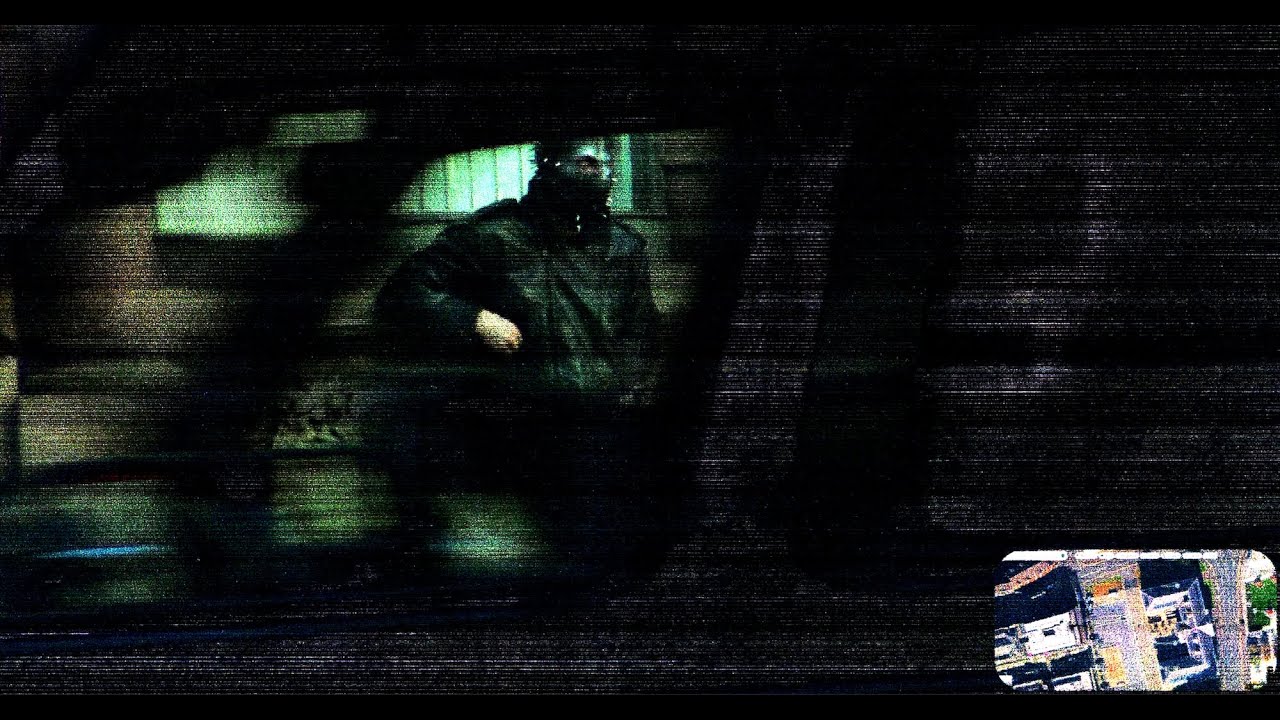


Movies: Crazy Old Lady (2025) by Martín Mauregui: A claustrophobic psychological nightmare where caregiving becomes captivity
- dailyentertainment95

- 2 hours ago
- 12 min read
Summary of the Movie: A simple favor turns into a trap built from memory loss, manipulation, and escalating dread
The film follows Pedro, a mild‑mannered man who agrees to help his ex‑girlfriend by watching her elderly mother for a few hours, only to discover that Alicia’s senility masks a deeper, more predatory instability that refuses to let him leave. What begins as an awkward domestic errand mutates into a psychological siege, as the house becomes a maze of confusion, coercion, and surreal menace. Two framing sentences define the film’s emotional core: the story captures the terror of being trapped in someone else’s unraveling mind, and it exposes how caregiving becomes horror when dependency turns into possession.
Where to watch: https://www.justwatch.com/us/movie/crazy-old-lady (US), https://www.justwatch.com/es/pelicula/vieja-loca-2025 (Spain)
Link IMDB: https://www.imdb.com/title/tt31613162/
Link Review: https://www.micropsiacine.com/2025/11/crazy-old-lady-review-the-gothic-fury-of-carmen-maura/
Movie plot: Pedro arrives expecting a brief, uncomfortable visit, but Alicia’s erratic behavior, emotional manipulation, and violent mood swings transform the home into a prison he must escape before her delusions consume him.
Movie trend: The film belongs to the rising wave of “domestic entrapment horror,” where everyday caregiving roles become psychological battlegrounds.
Social trend: It reflects contemporary anxieties around aging, dementia, and the emotional labor expected of men and women navigating fractured family structures.
Director’s authorship: Mauregui blends social realism with surreal dread, using tight spaces, repetition, and disorientation to blur the line between psychological decay and supernatural threat.
(Top) casting: Carmen Maura delivers a chilling, unpredictable performance that anchors the film’s terror, while Daniel Hendler plays Pedro with escalating panic and emotional exhaustion.
Awards and recognition: Early festival reactions highlight the film’s unsettling tone and its ability to turn a familiar caregiving scenario into a nightmare of control and confinement.
Release and availability: With a 2025 release across Spain, Argentina, and the U.S., the film positions itself as a cross‑market psychological thriller with strong genre‑platform potential.
Insights: The film’s central finding is that horror becomes most potent when it emerges from emotional obligation, blurred memory, and the terror of being needed by someone who refuses to let you go.
Industry Insight Domestic psychological horror thrives when it transforms caregiving into a site of dread and emotional instability. Consumer Insight Audiences connect with stories where everyday responsibilities mutate into traps shaped by guilt, fear, and obligation. Brand Insight Positioning the film as a claustrophobic, character‑driven nightmare strengthens its appeal to viewers seeking grounded, emotionally charged horror.
Crazy Old Lady matters because it turns the familiar fear of losing control into a suffocating, intimate horror that lingers long after the escape.
Why It Is Trending: A domestic‑space horror that turns caregiving into psychological captivity
The film resonates now because it taps into a rising cultural fear: the terror of being trapped in a caregiving role you never agreed to, inside a home that becomes a psychological labyrinth shaped by memory loss, manipulation, and emotional obligation. Its claustrophobic tension mirrors a broader appetite for horror that emerges from everyday responsibilities rather than supernatural spectacle, making the story feel uncomfortably close to real life. Two framing sentences define its cultural moment: the film captures the anxiety of navigating aging, dementia, and emotional labor in a world where family structures are increasingly fractured, and it reflects a shift toward horror that exposes the violence hidden inside ordinary domestic routines.
Concept → consequence: A simple favor turning into captivity aligns with a trend where horror grows from social expectations rather than external monsters.
Culture → visibility: Stories about dementia, dependency, and emotional manipulation gain traction as societies confront aging populations and strained caregiving systems.
Distribution → discovery: Platforms and festivals reward intimate, low‑budget psychological thrillers that transform everyday spaces into sites of dread.
Timing → perception: Released during a wave of “domestic entrapment” horror, the film stands out for grounding its terror in emotional obligation rather than genre excess.
Insights: The film’s main finding is that horror becomes most unsettling when it emerges from the responsibilities we cannot refuse and the people we cannot abandon.
Industry Insight Domestic psychological horror thrives when it transforms caregiving into a site of emotional instability and escalating danger. Consumer Insight Viewers respond to stories where ordinary tasks mutate into traps shaped by guilt, fear, and obligation. Brand Insight Positioning the film as a claustrophobic, emotionally grounded nightmare strengthens its appeal to audiences seeking realism over supernatural spectacle.
The film’s relevance endures because it exposes the terror of being needed by someone who refuses to let you leave, turning emotional duty into a prison.
What Movie Trend Is Followed: A domestic‑space psychological horror built on confinement, dependency, and emotional distortion
The film belongs to the growing trend of “domestic entrapment horror,” a subgenre where the home becomes the primary site of terror and psychological collapse. Instead of relying on supernatural forces or external threats, the film uses caregiving, memory loss, and emotional manipulation to create a horror experience rooted in everyday vulnerability. Two framing sentences define its trend position: the film aligns with a movement toward intimate, character‑driven thrillers that weaponize ordinary responsibilities, and it reflects a shift in horror toward stories where danger emerges from emotional obligation rather than monstrous intrusion.
Format lifecycle: Horror evolves into a grounded, claustrophobic form where tension comes from proximity, repetition, and the erosion of personal boundaries.
Aesthetic logic: The house becomes a psychological maze, with tight framing, disorientation, and ritualistic behavior replacing traditional genre spectacle.
Psychological effect: Fear grows from dependency, guilt, and the instability of a mind that cannot distinguish care from control.
Genre inheritance: The film draws from lineage titles like The Taking of Deborah Logan and Relic, but shifts the focus toward emotional captivity rather than supernatural decay.
Insights: The film’s main finding is that horror becomes most potent when it emerges from the collapse of trust inside a space meant to protect you.
Industry Insight Domestic psychological horror thrives when it transforms caregiving into a site of dread and emotional instability. Consumer Insight Viewers respond to stories where ordinary responsibilities mutate into traps shaped by guilt, fear, and obligation. Brand Insight Positioning the film as a claustrophobic, emotionally grounded nightmare strengthens its appeal to audiences seeking realism over supernatural spectacle.
The film’s trend alignment endures because it shows how horror evolves when it exposes the violence hidden inside everyday care, turning the familiar into the terrifying.
Director’s Vision: A suffocating psychological trap built from routine, memory decay, and the terror of being needed
Mauregui approaches the film as a study of emotional captivity, using the domestic space not as a backdrop but as a living organism shaped by Alicia’s fractured mind and Pedro’s escalating desperation. His vision blends social realism with surreal dread, creating a horror experience where the boundaries between caregiving, manipulation, and psychological imprisonment dissolve into a single, suffocating atmosphere. Two framing sentences define his authorial intent: the director treats Alicia not as a monster but as a destabilizing force whose vulnerability becomes weaponized, and he frames Pedro’s ordeal as a descent into a world where logic collapses under the weight of obligation and fear.
Authorial logic: Mauregui builds the film around the tension between duty and danger, letting the collapse of memory reveal the violence hidden inside caregiving.
Restraint vs escalation: Horror emerges through repetition, proximity, and emotional unpredictability rather than jump scares or supernatural intervention.
Ethical distance: The camera observes Alicia with unsettling neutrality, allowing viewers to feel both compassion and terror without moral instruction.
Consistency vs rupture: The film maintains a grounded, domestic tone, punctuated by moments where Alicia’s delusions fracture the stability of the space and trap Pedro inside her unraveling world.
Insights: The film’s main finding is that horror becomes most disturbing when it grows from emotional obligation, blurred identity, and the terror of being consumed by someone else’s need.
Industry Insight Directors working in domestic psychological horror gain power by grounding fear in emotional realism and everyday vulnerability. Consumer Insight Viewers respond to filmmakers who expose the instability of caregiving through intimate, character‑driven tension rather than genre excess. Brand Insight Positioning the film as a claustrophobic, emotionally charged nightmare strengthens its identity within a crowded landscape of psychological thrillers.
The director’s vision endures because it transforms a simple domestic task into a descent into emotional captivity, revealing how horror thrives when the familiar becomes impossible to escape.
Key Success Factors: A domestic nightmare powered by performance, confinement, and emotional unpredictability
The film succeeds because it aligns its emotional core with its genre logic, turning a simple caregiving task into a psychological trap shaped by memory decay, manipulation, and escalating dread. Its power comes from how it merges social realism with surreal tension, using the home as both a physical prison and a reflection of Alicia’s fractured mind. Two framing sentences define why it works: the film maintains a disciplined balance between emotional truth and horror escalation, and it delivers tension through proximity, repetition, and psychological instability rather than through supernatural spectacle.
Concept–culture alignment: A horror story built from caregiving, dependency, and emotional obligation resonates in a world confronting aging, dementia, and fractured family structures.
Execution discipline: Mauregui uses tight framing, disorientation, and ritualistic behavior to create a claustrophobic atmosphere that feels grounded and emotionally truthful.
Distribution logic: The film fits perfectly within the festival and streaming appetite for intimate, low‑budget psychological thrillers that weaponize domestic spaces.
Coherence over ambition: The film stays within its emotional and spatial limits, using performance and psychological tension to generate impact rather than relying on scale or genre excess.
Insights: The film’s main finding is that horror becomes most powerful when it emerges from emotional obligation, blurred identity, and the terror of being consumed by someone who refuses to let you go.
Industry Insight Films that transform caregiving into psychological captivity stand out in a landscape saturated with supernatural horror. Consumer Insight Audiences connect with stories where ordinary responsibilities mutate into traps shaped by guilt, fear, and emotional instability. Brand Insight Positioning the film as a claustrophobic, emotionally grounded nightmare strengthens its identity and deepens its resonance.
You watch Crazy Old Lady because it turns the familiar fear of losing control into a suffocating, intimate horror where escape becomes both a physical necessity and an emotional betrayal.
Trends 2026: Horror shifts toward intimate, domestic narratives where emotional obligation becomes the source of terror
The film aligns with 2026’s strongest horror movement: the rise of “domestic psychological captivity,” where fear emerges not from monsters or supernatural forces but from the emotional labor, dependency, and instability embedded in everyday relationships. Its claustrophobic tension mirrors a broader appetite for horror that exposes the violence hidden inside caregiving, aging, and fractured family structures. Two framing sentences define its forward‑looking relevance: the film anticipates a shift toward horror built on emotional realism rather than spectacle, and it reflects a cultural moment where characters confront the responsibilities that trap them instead of the threats that chase them.
Cultural shift: Audiences seek stories that question the emotional burden of caregiving and the fear of losing autonomy inside domestic spaces.
Audience psychology: Characters trapped by obligation resonate in a world where family roles are increasingly unstable and emotionally demanding.
Format evolution: Horror tightens around realism, repetition, and psychological decay rather than supernatural escalation.
Meaning vs sensation: Tension emerges from emotional unpredictability rather than stylized violence or genre excess.
Industry implication: Low‑budget, performance‑driven domestic horror gains traction as authenticity becomes a competitive advantage.
Insights: The film’s main finding is that horror becomes most relevant when it exposes the emotional danger of being responsible for someone who refuses to let you leave.
Industry Insight Domestic psychological horror dominates festival landscapes as audiences seek realism over supernatural spectacle. Consumer Insight Viewers respond to stories where caregiving becomes captivity and emotional obligation becomes fear. Brand Insight Positioning the film as a grounded, claustrophobic nightmare strengthens its resonance in a genre undergoing reinvention.
The film’s relevance to 2026 trends endures because it captures the emotional instability of a world confronting aging, dependency, and the collapse of traditional family roles.
Social Trends 2026: People fear emotional burnout, unstable caregiving roles, and the collapse of personal boundaries
The film reflects a broader social moment where individuals feel overwhelmed by the emotional labor demanded of them, especially in contexts involving aging parents, dementia, and unresolved family dynamics. Its psychological tension mirrors a world where people are increasingly aware of how caregiving can become a trap, and how dependency can turn into coercion. Two framing sentences define its social resonance: the film captures the fear of being consumed by someone else’s needs, and it mirrors a cultural shift toward narratives that validate emotional exhaustion rather than romanticize sacrifice.
Behavioral: People seek stories that acknowledge the emotional cost of caring for someone who cannot reciprocate or release control.
Cultural: Films about dementia, dependency, and emotional manipulation gain visibility as societies confront aging populations and strained support systems.
Institutional: Trust in traditional family structures erodes, making characters trapped by obligation feel more relatable.
Emotional coping: Audiences gravitate toward films that validate fear, guilt, and the fragility of personal boundaries rather than idealized resilience.
Insights: The film’s main finding is that social resonance emerges when stories acknowledge the terror of being needed by someone who refuses to let you go.
Industry Insight Films centered on emotional burnout and caregiving instability align with rising demand for socially grounded realism. Consumer Insight Viewers connect with characters who confront the emotional danger of dependency and obligation. Brand Insight Positioning the film around emotional captivity strengthens its cultural relevance and psychological impact.
The film endures because it captures the emotional architecture of a world where caregiving feels less like duty and more like entrapment.
Trends Summary: A domestic psychological horror shaped by emotional obligation, confinement, and narrative collapse
The film synthesizes multiple contemporary currents: the rise of domestic entrapment horror, the cultural anxiety around aging and caregiving, and the growing appetite for stories where characters confront the emotional responsibilities that imprison them. Its power comes from how it merges realism, performance, and psychological instability into a unified, suffocating experience. Three synthesis sentences define its trend position: the film captures the shift toward horror built from emotional truth rather than supernatural threat; it reflects social anxieties around dependency, burnout, and the collapse of personal boundaries; and it aligns with industry movement toward intimate, performance‑driven genre films that prioritize psychological depth over spectacle.
Conceptual, systemic: Survival framed as emotional rebellion mirrors broader cultural movements rejecting unsustainable caregiving expectations.
Cultural: Audiences gravitate toward films that validate the emotional cost of caring for someone who cannot release control.
Industry: Domestic psychological horror gains traction as authenticity becomes a defining value.
Audience behavior: Viewers seek films where danger emerges from emotional instability rather than external monsters.
Trend Table
Trend Name | Description | Implications |
Core Movie Trend | Domestic entrapment horror — fear built from caregiving | Reframes horror around emotional captivity |
Core Consumer Trend | Emotional burnout — stories validating exhaustion and fear | Stronger psychological identification |
Core Social Trend | Unstable caregiving roles — collapsing family expectations | Highlights structural vulnerability |
Core Strategy | Authentic minimalism — precision over spectacle | Competitive edge in festival circuits |
Core Motivation | Escape from obligation — survival as emotional autonomy | Deep audience resonance |
Insights: The film’s main finding is that emotional truth emerges when characters confront the responsibilities that imprison them and fight to reclaim their autonomy.
Industry Insight Domestic psychological horror defines the next wave of festival success, especially those rooted in emotional realism. Consumer Insight Audiences seek narratives that validate emotional danger, fragile boundaries, and the cost of caregiving. Brand Insight Positioning the film around emotional captivity strengthens its psychological and cultural impact.
The film’s synthesis endures because it captures the tension between the responsibilities we inherit and the autonomy we fight to protect.
Final Verdict: A suffocating domestic horror where caregiving becomes captivity and escape becomes survival
The film stands out because it transforms a simple favor into a psychological nightmare, revealing how terror grows from emotional obligation, blurred identity, and the collapse of personal boundaries. Its claustrophobic atmosphere, grounded performances, and escalating unpredictability give it a weight that exceeds its scale, making it a horror experience defined by emotional truth rather than genre spectacle. Two framing sentences define its closing position: the film offers a rare portrait of a man trapped not by monsters but by responsibility, and it leaves you with the unsettling clarity that caregiving becomes horror when dependency turns into possession.
Meaning: The film reframes caregiving as emotional captivity rather than compassionate duty.
Relevance: Its themes mirror contemporary anxieties around aging, burnout, and the terror of being consumed by someone else’s needs.
Endurance: Its realism and psychological tension give it staying power beyond festival cycles.
Legacy: It contributes to the evolution of domestic horror by centering emotional instability, confinement, and the violence of obligation.
Insights: The film’s main finding is that survival becomes meaningful when it challenges the emotional trap built from someone else’s need.
Industry Insight Films that transform caregiving into psychological imprisonment continue to define the future of grounded horror. Consumer Insight Viewers connect with narratives where escape is fragile, boundaries are collapsing, and emotional obligation becomes fear. Brand Insight Positioning the film as a claustrophobic, emotionally charged nightmare strengthens its artistic identity and cultural resonance.
The film closes with the clarity that freedom is not just physical escape but the reclaiming of emotional autonomy from someone who refuses to let you go.
Why To Watch the Movie: A suffocating domestic nightmare where caregiving becomes captivity and fear grows from emotional obligation
The film is worth watching because it transforms an ordinary responsibility into a psychological trap, revealing how terror emerges from the collapse of trust, the instability of memory, and the suffocating weight of being needed by someone who refuses to let you go. Its claustrophobic tension, grounded performances, and escalating unpredictability create a horror experience that feels disturbingly close to real life, making every moment inside Alicia’s home feel like a step deeper into emotional captivity. Two framing sentences define the viewer payoff: the film offers a horror story where the danger is intimate rather than supernatural, and it leaves you with the unsettling clarity that the scariest prisons are built from obligation, guilt, and the fear of disappointing someone who depends on you.
Emotional payoff: Pedro’s escalating panic, guilt, and confusion create a visceral experience where the audience feels trapped alongside him.
Atmospheric tension: The house becomes a psychological maze shaped by Alicia’s fractured mind, turning every room into a site of dread.
Performance strength: Carmen Maura delivers a chilling, unpredictable portrayal that oscillates between vulnerability and menace, anchoring the film’s terror.
Genre freshness: The film revitalizes domestic horror by grounding its fear in emotional realism rather than supernatural spectacle.
Cultural relevance: It mirrors contemporary anxieties around caregiving, aging, and the collapse of personal boundaries, making its themes feel urgent and painfully recognizable.
Insights: The film’s main finding is that horror becomes most powerful when it emerges from the responsibilities we cannot refuse and the people we cannot abandon.
Industry Insight Films that transform caregiving into psychological captivity stand out in a landscape saturated with supernatural horror. Consumer Insight Viewers connect with stories where ordinary responsibilities mutate into traps shaped by guilt, fear, and emotional instability. Brand Insight Positioning the film as a claustrophobic, emotionally grounded nightmare strengthens its identity and deepens its resonance.
You watch Crazy Old Lady because it turns the familiar fear of losing control into a suffocating, intimate horror where escape becomes both a physical necessity and an emotional betrayal.
Comments